
What Is the Most Rehomed Dog Breed?
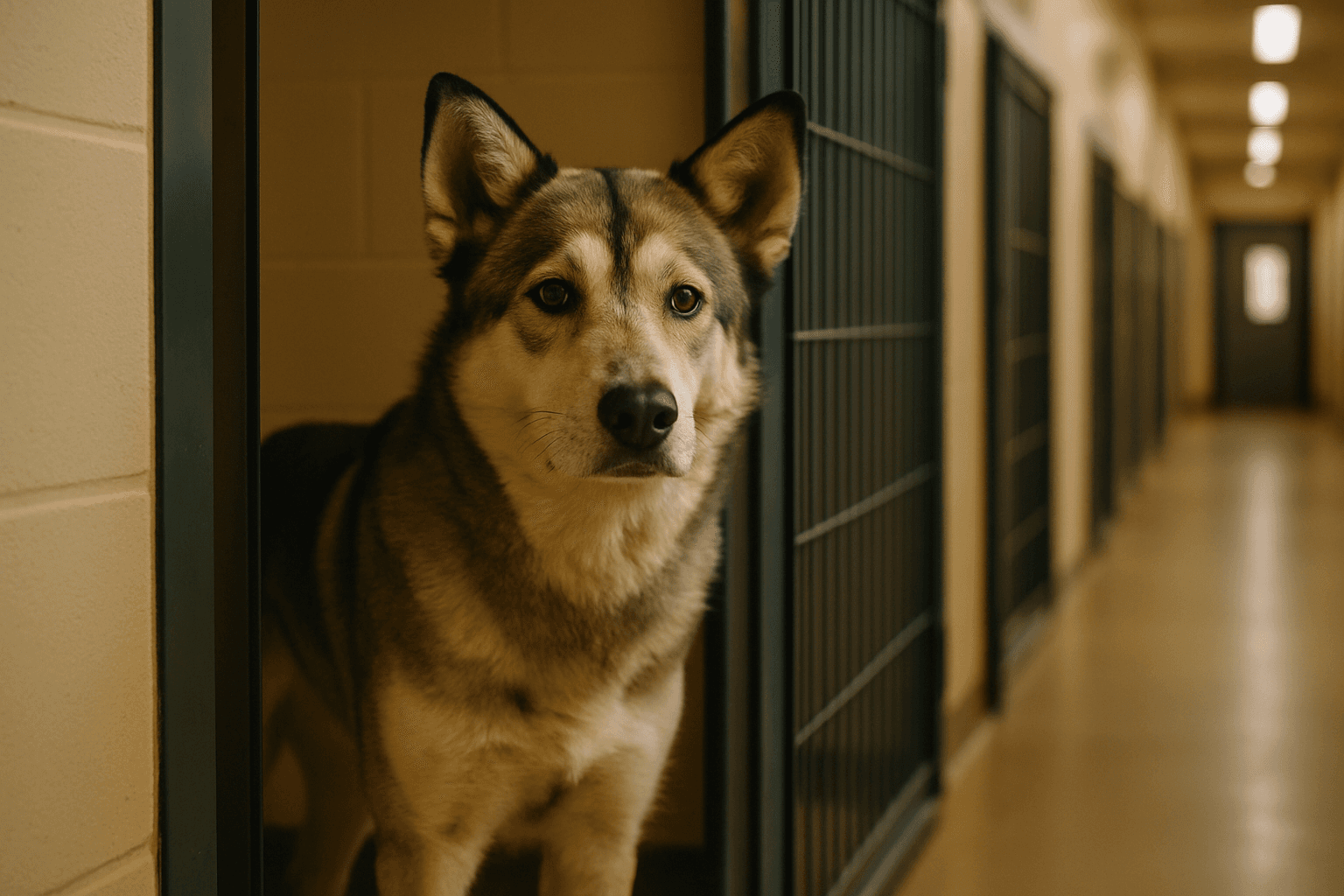
Pit Bulls and Pit Bull-type dogs are the most rehomed breed in America -- and it is not even close. They make up roughly 20% of all dogs in shelters, despite being loving, loyal companions when raised responsibly. But the list of frequently rehomed breeds tells a bigger story about impulse buying, unrealistic expectations, and a lack of research before bringing a dog home.
The Most Frequently Rehomed Breeds
1. Pit Bulls and Bully Breeds
The reasons are systemic, not behavioral. Breed-specific legislation bans them in entire cities. Insurance companies refuse to cover homeowners who have them. Landlords reject them. Shelters are flooded with them because backyard breeding is rampant and spay/neuter rates in these breeds lag behind others. Many Pit Bulls in shelters are gentle, well-socialized dogs whose owners simply ran out of housing options.
2. Chihuahuas
Chihuahuas are the second most surrendered breed. They are small, cheap to buy, and often acquired on impulse -- "pocket pets" that people do not take as seriously as larger dogs. But Chihuahuas are feisty, opinionated, and can be difficult to housetrain. When the novelty wears off and the biting starts (often because they were never trained), they end up in shelters.
3. Siberian Huskies
Huskies look like wolves and that mystique drives impulse purchases -- especially after movies and TV shows featuring them. But Huskies need 2+ hours of intense daily exercise, they shed year-round with massive biannual blowouts, they howl (not bark), they escape from everything, and they have a strong prey drive that makes them dangerous around cats and small animals. Most first-time Husky owners are overwhelmed within a year.
4. Border Collies
The smartest breed in the world is also one of the most surrendered because intelligence without a job creates chaos. Border Collies need mental stimulation the way humans need oxygen. Without it, they invent their own entertainment -- herding children, destroying furniture, developing neurotic behaviors. They are too much dog for anyone who is not willing to train and work them daily.
5. German Shepherds
GSDs are large, powerful, high-drive dogs that need experienced handling, consistent training, and significant exercise. First-time owners often underestimate the commitment. German Shepherds can also develop reactivity and guarding behavior without proper socialization, which leads to surrender when the dog becomes "too much to handle."
Why Dogs Get Rehomed
Shelter surrender data tells a clear story. The top reasons people give up their dogs:
- Moving / housing restrictions (29%). The most common reason. People move to apartments or rentals that do not allow their breed or size of dog.
- Landlord does not allow pets (18%). Related to housing but specific to renters who cannot negotiate pet-friendly terms.
- Family changes -- baby, divorce, death (15%). Life changes that make dog ownership feel impossible.
- Behavior problems (12%). Aggression, destruction, house soiling -- often the result of inadequate training, not a "bad dog."
- Cost of care (10%). Veterinary emergencies, food costs, and unexpected expenses push financially strained families past their limit.
- Allergies (5%). A family member develops allergies after the dog is already home.
- Not enough time (5%). Work schedule changes, new responsibilities, or simply realizing that dogs need more time than expected.
How to Prevent Rehoming Before It Happens
Almost every rehoming situation is preventable with planning:
- Research the breed first. Not just how they look -- their exercise needs, grooming, temperament, and common health issues. Be honest about your lifestyle.
- Secure pet-friendly housing before getting a dog. If you rent, negotiate a pet clause. If you might move, choose a breed that is widely accepted.
- Budget realistically. The average annual cost of dog ownership is $1,500-$3,000. Emergency vet visits can cost $2,000-$5,000. If this is not in your budget, wait.
- Invest in training early. Puppy classes, socialization, and basic obedience prevent the behavior problems that lead to surrender.
- Think 10-15 years ahead. Where will you be? Will you have kids? Will you be renting? A dog is a decade-long commitment.
The Real Cost of Rehoming
Rehoming is not just stressful for owners. Research published in the Journal of Veterinary Behavior shows that rehomed dogs experience elevated cortisol levels for weeks after the transition. They lose their routine, their person, their home, and their sense of safety -- all at once. Dogs that are rehomed multiple times often develop behavioral issues (reactivity, resource guarding, shutdown) that make subsequent rehoming even more likely. It becomes a cycle.
The best thing anyone can do for dogs is to make the right choice before bringing one home -- not after.
Our cost calculator shows the true lifetime expense for any breed -- food, vet, grooming, and more.