
May 8, 2023
What Essential Oils Are Good for Dogs with Itchy Skin? A Vet-Informed Guide
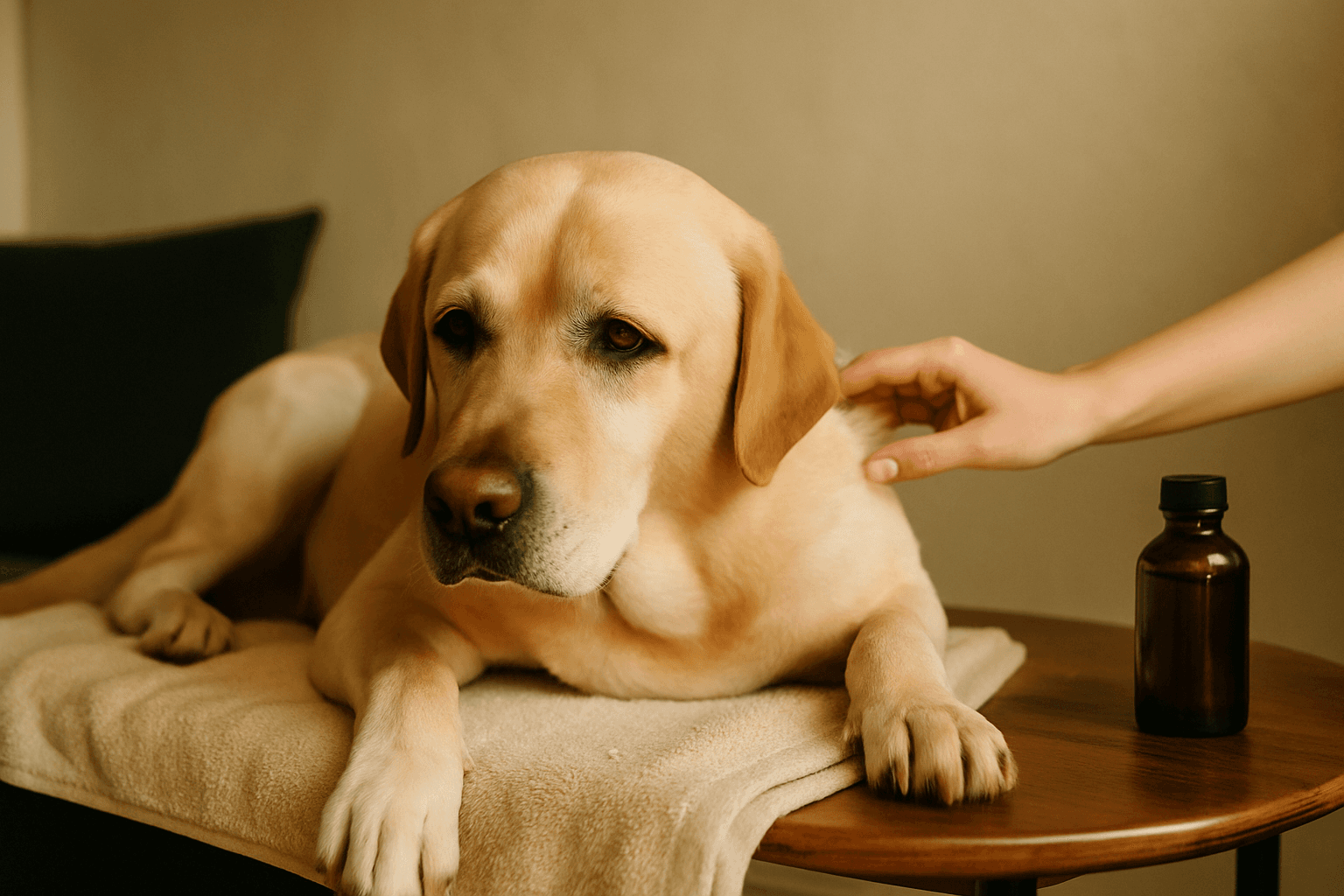

Watching your dog scratch, lick, and chew at their skin is frustrating for both of you. While essential oils are often recommended as natural remedies for itchy skin in dogs, the reality is more nuanced than most online sources suggest. Some essential oils can provide genuine relief when used correctly, while others can make things worse or even be toxic.
This guide covers which essential oils may help, how to use them safely, which ones to avoid entirely, and when itchy skin requires veterinary attention rather than home remedies.
Important Safety Warning
Before using any essential oil on your dog, understand these foundational rules:
- Never apply undiluted essential oils to your dog's skin. Pure essential oils are highly concentrated and can cause chemical burns, allergic reactions, and toxicity.
- Always dilute properly. For dogs, the recommended dilution is 0.25 to 1 percent -- that is 1 to 4 drops of essential oil per tablespoon of carrier oil. This is much weaker than what is used for humans.
- Never use essential oils on puppies under 10 weeks old. Their livers cannot metabolize these compounds safely.
- Consult your veterinarian first -- especially if your dog is on medication, pregnant, nursing, or has liver or kidney disease.
- Dogs should never ingest essential oils. Internal use is dangerous regardless of the oil.
Essential Oils That May Help Itchy Skin in Dogs
Lavender Oil
Lavender is widely considered one of the safest essential oils for dogs when properly diluted. It has anti-inflammatory, antibacterial, and calming properties that can help soothe irritated skin and reduce the stress-scratching cycle.
How to use: Mix 1 to 2 drops of lavender essential oil with 1 tablespoon of coconut oil or sweet almond oil. Apply a thin layer to the irritated area, avoiding the face and any open wounds. Lavender can also be diffused in a well-ventilated room to help calm an anxious, itchy dog.
Chamomile Oil (Roman Chamomile)
Roman chamomile has anti-inflammatory and soothing properties that can help calm red, inflamed skin. It is particularly useful for hot spots and areas of mild dermatitis. German chamomile also has skin-soothing properties but contains more chamazulene, which gives it a blue color and slightly different chemical profile.
How to use: Dilute 1 drop in 1 tablespoon of carrier oil and apply to irritated areas. Alternatively, brew a strong chamomile tea (using tea bags, not essential oil), let it cool completely, and use it as a soothing rinse after bathing.
Frankincense Oil
Frankincense has anti-inflammatory and immune-supporting properties. It is considered one of the gentler essential oils and is sometimes used to support skin healing in dogs with chronic skin conditions.
How to use: Dilute 1 drop in 1 tablespoon of carrier oil and apply to affected areas. It blends well with lavender for a combined soothing effect.
Cedarwood Oil (Cedrus atlantica)
Cedarwood oil has antifungal and insecticidal properties that can help with itching caused by fungal infections or insect bites. It also has a natural calming effect. Make sure to use Atlas cedarwood (Cedrus atlantica), not other cedar varieties that may be more irritating.
How to use: Dilute 1 drop in 1 tablespoon of carrier oil. Can be applied to the base of the neck and along the spine. Do not use on cats -- cedarwood is toxic to felines.
Helichrysum Oil
Helichrysum (sometimes called "immortelle") is prized for its skin-regenerating and anti-inflammatory properties. It is one of the more expensive essential oils but is considered gentle and effective for skin healing.
How to use: Dilute 1 drop in 1 tablespoon of carrier oil and apply to irritated or healing skin. Works well combined with lavender.
Sweet Marjoram Oil
Sweet marjoram has mild analgesic (pain-relieving) and anti-inflammatory properties that may help with skin discomfort and itching. It is considered safer than many other essential oils for use around dogs.
How to use: Dilute 1 drop in 1 tablespoon of carrier oil. Apply to sore, itchy areas away from the face.
Essential Oils to AVOID for Dogs
The following essential oils are toxic to dogs and should never be used on or around them:
- Tea tree oil (Melaleuca): Toxic even in small amounts. Can cause tremors, weakness, and liver damage. Despite its popularity in human skin care, it is one of the most dangerous oils for dogs.
- Pennyroyal: Extremely toxic. Can cause liver failure and death.
- Wintergreen: Contains methyl salicylate, which is toxic to dogs.
- Pine oil: Can cause liver damage and kidney problems.
- Cinnamon oil: Highly irritating to skin and mucous membranes.
- Clove oil: Contains eugenol, which can cause liver toxicity in dogs.
- Oregano oil: Too strong for dogs even when diluted.
- Thyme oil: Can cause skin irritation and is hepatotoxic in larger amounts.
- Ylang ylang: Can cause respiratory issues and skin irritation.
Best Carrier Oils for Dogs
A carrier oil dilutes the essential oil and helps it absorb into the skin without causing irritation. Good carrier oil options for dogs include:
- Coconut oil: Has its own antibacterial and moisturizing properties. Solid at room temperature, melts on contact with skin. The most popular choice for dogs.
- Sweet almond oil: Lightweight, absorbs well, and is generally well-tolerated. Good for dogs with sensitive skin.
- Jojoba oil: Technically a liquid wax, not an oil. Very similar to the natural oils in skin, making it an excellent choice for skin conditions.
- Olive oil: Readily available and moisturizing, but heavier and may leave a greasy residue on fur.
How to Do a Patch Test
Before applying any essential oil mixture to a larger area, always do a patch test:
- Apply a small amount of the diluted oil mixture to the inside of your dog's ear flap or a small patch on their belly
- Wait 24 hours
- Check for redness, swelling, irritation, or behavioral changes (excessive licking at the spot, whining)
- If there is no reaction, the mixture is likely safe for broader use on your dog
- If there is any reaction, wash the area with mild soap and water and do not use that oil on your dog
Common Causes of Itchy Skin in Dogs
Before reaching for essential oils, it helps to understand why your dog is itchy. The cause determines the most effective treatment:
Allergies
Environmental allergies (pollen, dust mites, mold), food allergies, and contact allergies are the most common causes of chronic itching in dogs. Allergies require veterinary diagnosis and often need prescription medications, dietary changes, or immunotherapy -- not just topical treatments.
Fleas and Parasites
Even a single flea bite can trigger intense itching in flea-allergic dogs. Mange mites, lice, and other parasites also cause severe itching. These require veterinary-prescribed treatments to eliminate the parasites, not essential oils.
Skin Infections
Bacterial infections (pyoderma) and yeast infections are common secondary issues in itchy dogs. The scratching damages the skin barrier, allowing bacteria and yeast to invade. These infections require veterinary treatment, usually antibiotics or antifungals.
Dry Skin
Low humidity, excessive bathing, or poor-quality diet can cause dry, flaky, itchy skin. This is one area where moisturizing carrier oils (with or without essential oils) can genuinely help.
Hormonal Imbalances
Hypothyroidism and Cushing's disease can cause skin changes and itching. These conditions require veterinary diagnosis and medical treatment.
Better Alternatives for Itchy Skin
While essential oils can provide mild, temporary relief, these alternatives are often more effective and better supported by veterinary evidence:
- Oatmeal baths: Colloidal oatmeal has proven anti-itch and anti-inflammatory properties. Use a dog-specific oatmeal shampoo or grind plain, unflavored oatmeal into a fine powder and add it to bathwater.
- Coconut oil (plain): Applied topically, coconut oil moisturizes dry skin and has mild antibacterial properties. No essential oil needed.
- Fish oil supplements: Omega-3 fatty acids from fish oil support skin health from the inside. Many vets recommend daily fish oil supplementation for dogs with chronic skin issues.
- Antihistamines: Over-the-counter antihistamines like diphenhydramine (Benadryl) or cetirizine (Zyrtec) can help with allergy-related itching. Always confirm the dose with your vet first.
- Veterinary dermatology: For chronic, severe, or recurring skin problems, a veterinary dermatologist can identify the root cause and develop a targeted treatment plan.
When to Skip the Essential Oils and See a Vet
Essential oils are not a substitute for veterinary care. See your vet if your dog has:
- Red, raw, or bleeding skin from scratching
- Hair loss in patches
- Foul-smelling skin or ears
- Crusty, scabby, or oozing sores
- Itching that does not improve within a few days
- Itching accompanied by other symptoms (lethargy, appetite changes, weight loss)
- Signs of pain when the skin is touched
- Swollen, hot, or inflamed areas
These symptoms suggest underlying conditions that require diagnosis and medical treatment, not topical home remedies.
Frequently Asked Questions
Can I use essential oil blends marketed for dogs?
Some companies sell pre-diluted essential oil blends formulated specifically for dogs. These are generally safer than DIY blends because the dilution ratios have been calculated for canine use. However, quality varies widely. Look for products from reputable pet wellness companies, check ingredient lists for any toxic oils, and introduce any new product gradually with a patch test.
How often can I apply essential oils to my dog's skin?
If your dog tolerates a properly diluted essential oil well, application once or twice daily to affected areas is generally the maximum. Give your dog's system regular breaks -- do not use essential oils continuously for weeks on end without veterinary guidance.
Is diffusing essential oils safe for dogs with itchy skin?
Diffusing lavender or chamomile in a well-ventilated room can have a calming effect that may reduce stress-related scratching. However, diffusing does not directly treat skin conditions. Ensure your dog can leave the room freely, and do not diffuse oils from the "avoid" list above.
My dog keeps licking the essential oil off. What should I do?
This is a common problem and a safety concern. If your dog persistently licks treated areas, use an e-collar (cone) during application and for 15 to 20 minutes afterward to allow absorption. Better yet, consider switching to oral supplements like fish oil or oatmeal baths that do not rely on topical application that can be licked off.
Can essential oils cure my dog's allergies?
No. Essential oils may provide temporary symptomatic relief from itching, but they do not address the underlying immune response that causes allergies. Dogs with allergies need proper veterinary diagnosis and a comprehensive management plan that may include prescription medications, dietary changes, and environmental modifications.
The DogResources directory lists Canadian kennels by breed. New submissions are held for approval before publication. Run a kennel? List it here.