
May 10, 2023
Is Spearmint Essential Oil Safe for Dogs? What Every Owner Should Know
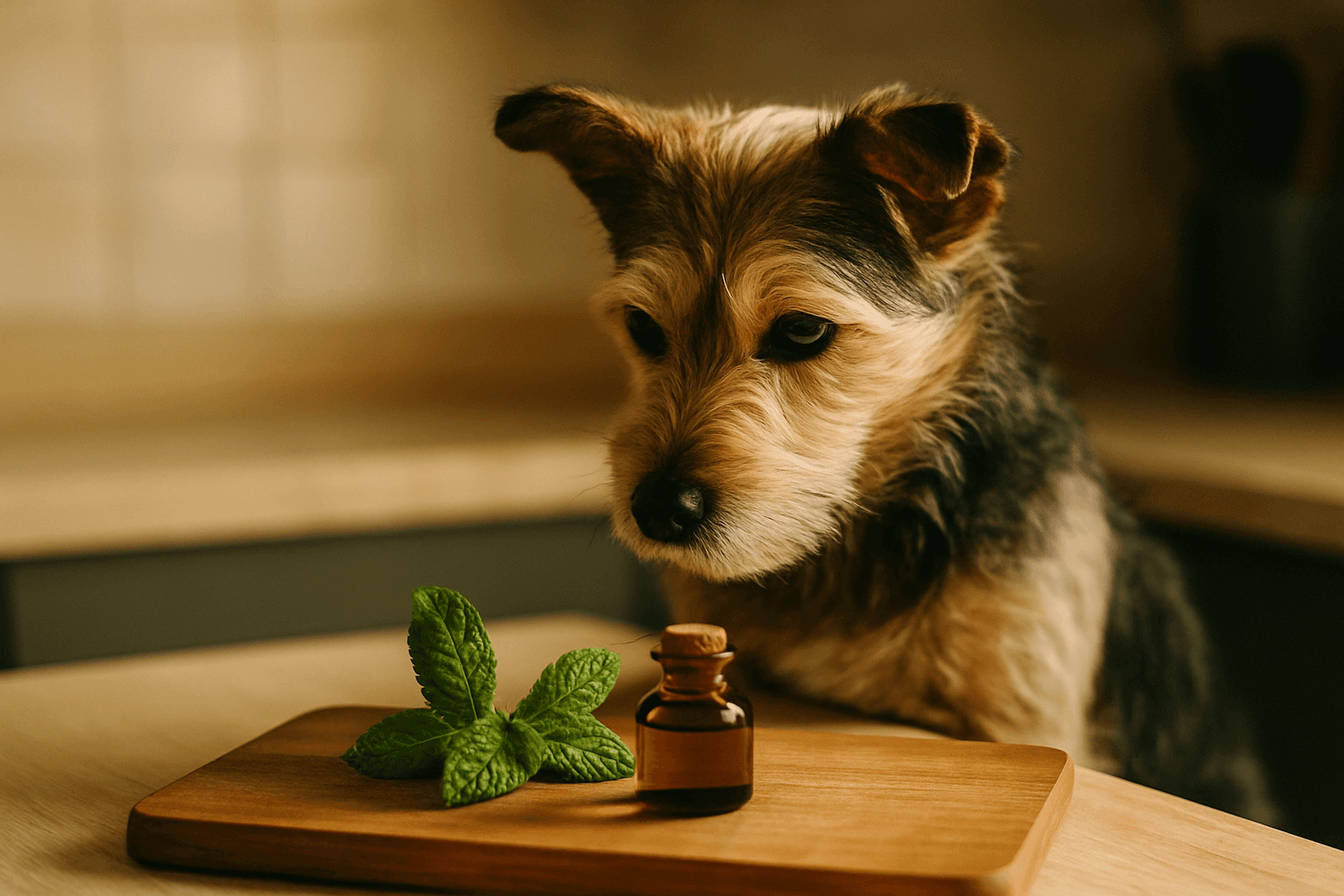

Essential oils have become a staple in many households, and spearmint oil is one of the most popular for its fresh scent and reported health benefits for humans. But when it comes to your dog, the rules are very different. Dogs process chemicals differently than people, and what is therapeutic for you can be harmful -- or even toxic -- to your pet.
Here is what the veterinary community says about spearmint essential oil and dogs, including safe uses, risks, and what to do if your dog is exposed.
Spearmint Oil vs. Peppermint Oil -- An Important Distinction
Spearmint (Mentha spicata) and peppermint (Mentha piperita) are often confused, but they are not the same. Peppermint oil contains a much higher concentration of menthol (30 to 50 percent) compared to spearmint (less than 1 percent). This makes spearmint generally less irritating, but neither oil should be considered automatically safe for dogs.
Spearmint oil's primary active compound is carvone, which gives it its characteristic sweet, minty aroma. While carvone is less potent than menthol, it can still cause adverse reactions in dogs when used improperly.
Is Spearmint Oil Toxic to Dogs?
Spearmint oil falls into a gray area. It is not considered highly toxic to dogs in the way that oils like tea tree, wintergreen, or pennyroyal are. However, it is also not considered safe for unrestricted use. The ASPCA does not list spearmint as toxic to dogs, but veterinary toxicologists generally advise caution with all essential oils around pets.
The key factors that determine risk are:
- Concentration: Pure, undiluted essential oil is far more dangerous than properly diluted formulations.
- Route of exposure: Ingestion is the most dangerous, followed by direct skin application, then inhalation.
- Amount: A small amount of diluted oil is very different from a large amount of concentrated oil.
- Dog size: Small dogs are at much greater risk than large dogs for the same amount of exposure.
- Individual sensitivity: Some dogs react strongly to essential oils that other dogs tolerate without issue.
Potential Risks of Spearmint Oil for Dogs
Ingestion
If a dog licks or ingests spearmint essential oil, they may experience:
- Vomiting and diarrhea
- Drooling
- Lethargy
- Liver stress (essential oils are metabolized by the liver, and dogs process them less efficiently than humans)
- Central nervous system depression in severe cases
Skin Contact
Undiluted spearmint oil applied to a dog's skin can cause:
- Redness and irritation
- Chemical burns
- Allergic reactions (itching, hives, swelling)
- Absorption through the skin into the bloodstream, potentially causing systemic effects
Inhalation
Diffusing spearmint oil in your home exposes your dog to airborne compounds. While brief exposure to a well-diluted diffusion in a ventilated room is generally low risk, prolonged or concentrated exposure can cause:
- Respiratory irritation (coughing, sneezing, wheezing)
- Watery eyes and nose
- Difficulty breathing in dogs with pre-existing respiratory conditions
- Behavioral changes (restlessness, trying to leave the room)
Safer Ways to Use Spearmint Oil Around Dogs
If you want to use spearmint oil in your home, follow these guidelines to minimize risk to your dog:
Diffusing Safely
- Use an open-room diffuser (not an enclosed space like a bathroom or bedroom where your dog sleeps)
- Run the diffuser for short periods (15 to 30 minutes) rather than continuously
- Ensure your dog can leave the room freely -- never diffuse in a closed room where your dog is confined
- Use minimal amounts of oil in the diffuser
- Stop immediately if your dog shows signs of discomfort (sneezing, leaving the room, pawing at their face)
Topical Use -- Proceed with Extreme Caution
Most veterinarians do not recommend applying essential oils directly to dogs. If you are considering it for a specific purpose (such as a natural flea deterrent), consult your veterinarian first. If they approve, the oil must be heavily diluted -- typically 0.5 to 1 percent dilution in a carrier oil, which is much weaker than what humans use.
Never apply any essential oil to a dog's face, nose, ears, or genital area. Avoid broken skin or areas where the dog can easily lick it off.
Never Allow Ingestion
There is no safe reason for a dog to ingest spearmint essential oil. Keep bottles stored securely out of reach, clean up spills immediately, and do not add essential oils to your dog's food or water.
Dogs at Higher Risk
Some dogs are more vulnerable to essential oil exposure than others:
- Puppies: Immature livers cannot process these compounds as efficiently
- Senior dogs: Age-related liver and kidney decline increases sensitivity
- Small breeds: Lower body weight means a smaller amount of oil has a bigger impact
- Dogs with liver disease: Compromised liver function makes essential oil metabolism dangerous
- Brachycephalic breeds: Bulldogs, Pugs, French Bulldogs, and other flat-faced breeds already have respiratory challenges and are more sensitive to airborne irritants
- Dogs with asthma or chronic respiratory disease: Any airborne irritant can trigger a flare
What to Do If Your Dog Is Exposed to Spearmint Oil
If Ingested
- Do not induce vomiting -- essential oils can cause more damage coming back up
- Call your vet or the ASPCA Animal Poison Control Center at (888) 426-4435
- Note how much oil your dog consumed and when
- Bring the oil bottle to the vet so they can see the exact product and concentration
If Applied to Skin
- Wash the area immediately with mild dish soap and warm water
- Rinse thoroughly
- Monitor for redness, swelling, or behavioral changes
- Contact your vet if irritation develops or if your dog was exposed to undiluted oil
If Inhaled (Signs of Respiratory Distress)
- Move your dog to fresh air immediately
- Turn off the diffuser and ventilate the room
- Monitor breathing -- if labored breathing, wheezing, or coughing persists, contact your vet
Safer Alternatives to Essential Oils for Dogs
If you are looking for natural solutions for common dog issues, consider these vet-approved alternatives:
- Calming: Adaptil pheromone diffusers, calming supplements with L-theanine or melatonin (vet-recommended doses)
- Flea prevention: Veterinary-prescribed preventatives are safer and more effective than essential oil blends
- Skin irritation: Oatmeal baths, coconut oil (applied topically), or vet-prescribed treatments
- Odor control: Regular bathing with dog-safe shampoo, enzymatic cleaners for the home
Frequently Asked Questions
Can I use spearmint-scented cleaning products around my dog?
Commercial cleaning products with spearmint fragrance typically contain synthetic fragrances rather than pure essential oils. These are generally less concentrated but can still irritate dogs, especially if they walk on freshly cleaned floors and then lick their paws. Allow surfaces to dry completely and ventilate well before letting your dog back into the area.
Is spearmint tea safe for dogs?
A small amount of cooled, plain spearmint tea is unlikely to harm a healthy dog. The concentration of active compounds in brewed tea is much lower than in essential oil. However, there is no established health benefit for dogs, so it is not something most vets recommend.
Can spearmint oil repel fleas on dogs?
Some people claim spearmint oil deters fleas, but there is limited scientific evidence supporting its effectiveness. Even if it provides some deterrent effect, it is far less reliable than veterinary flea preventatives and carries risks when applied to your dog's skin. Consult your vet for safe, proven flea prevention.
My dog seems to like the smell of spearmint. Is that a problem?
Some dogs are curious about minty scents. This does not mean it is safe for them. Keep essential oils secured and out of reach regardless of your dog's interest, and never interpret a dog's curiosity as an indication that something is safe to consume or be exposed to.
The DogResources directory lists Canadian kennels by breed. New submissions are held for approval before publication. Run a kennel? List it here.