My Dog Won't Eat
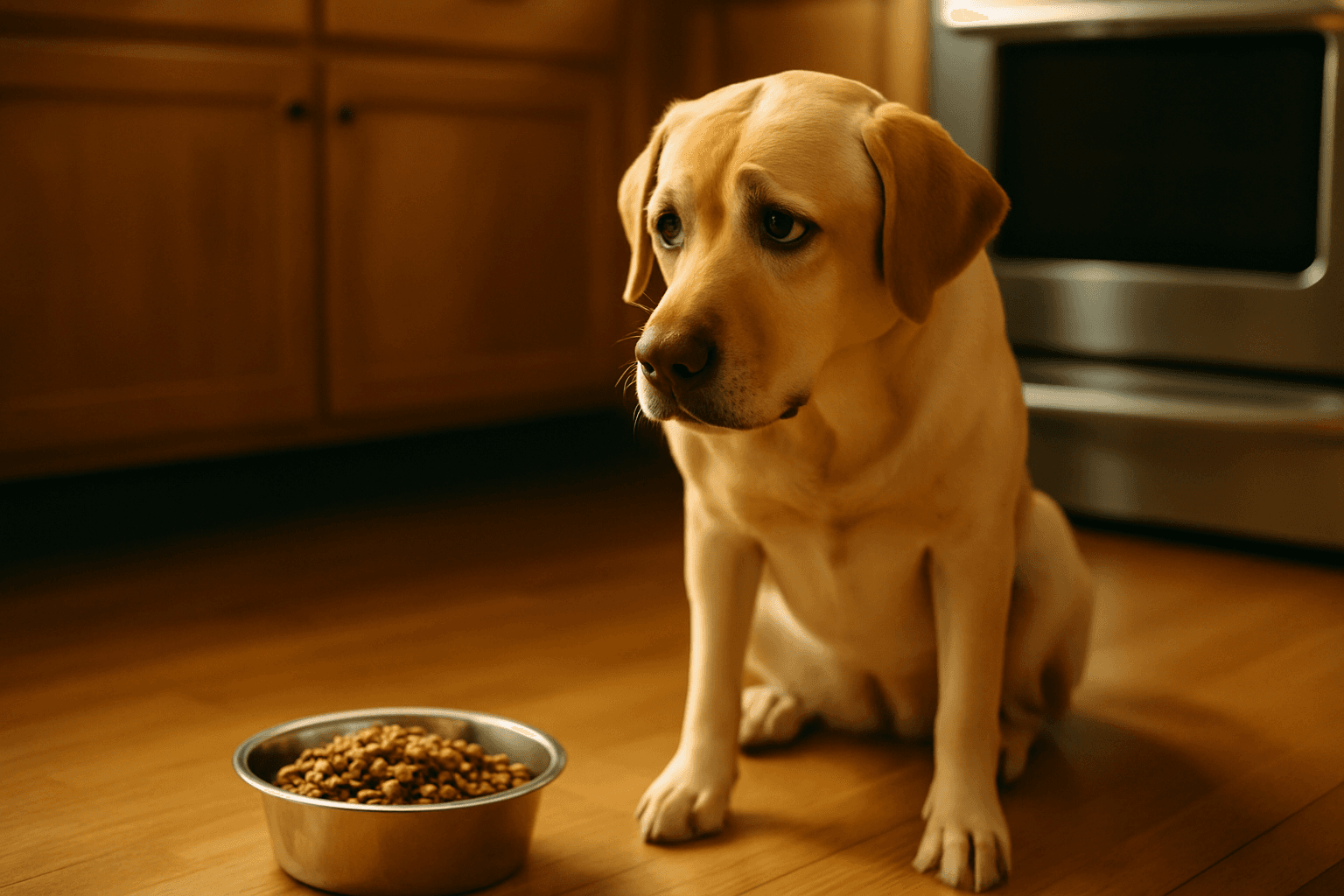
When your dog turns away from food -- especially a dog that normally eats everything in sight -- it gets your attention fast. Loss of appetite can be caused by anything from a minor stomach upset to dental pain to something more serious. The good news is that a single skipped meal is rarely an emergency. Here's what might be going on and what to do about it.
Common Causes of Loss of Appetite
- Illness or infection. Nearly any illness can reduce appetite -- from a mild stomach bug to organ disease. If your dog is also lethargic, vomiting, or has diarrhea, illness is likely.
- Dental pain. Broken teeth, gum disease, oral tumors, or abscesses can make eating painful. Dogs with dental issues may approach the bowl, seem interested, then walk away -- or drop food while trying to chew.
- Stress or anxiety. New environments, travel, boarding, a new pet in the house, loud noises, or changes in routine can suppress appetite. This usually resolves in a day or two.
- Picky eating. Some dogs hold out for better food, especially if they have learned that skipping kibble results in table scraps or canned food. This is behavioral, not medical.
- Medication side effects. Antibiotics, NSAIDs, chemotherapy drugs, and other medications can cause nausea or reduced appetite. Check the side effects of anything your dog is currently taking.
- Recent vaccination. Mild appetite loss for 24 to 48 hours after vaccinations is common and usually resolves on its own.
When It's Normal vs When to Worry
Normal: Skipping a single meal, eating less on a hot day, mild appetite loss after vaccinations, or temporary pickiness with a new food brand. Healthy adult dogs can safely fast for 24 hours with no ill effects, as long as they are drinking water and acting normally otherwise.
Time to worry: Refusing food for more than 24 hours (12 hours for puppies or small breeds). Also be concerned if the loss of appetite comes with vomiting, diarrhea, lethargy, refusing water, weight loss, or signs of pain. A dog that won't eat AND won't drink is a much more urgent situation than one that skips food but drinks normally.
What to Do Right Now
- Skip one meal and wait. Do not panic after one missed meal. Pick up the bowl after 15 minutes and try again at the next regular mealtime.
- Make food more appealing. Add warm water or low-sodium bone broth to kibble to enhance the aroma. Slightly warming the food can help too.
- Try a bland diet. Boiled chicken (no skin, no seasoning) with plain white rice is gentle on the stomach and often tempting to dogs that refuse their regular food.
- Check the mouth. Gently lift the lips and look for red or swollen gums, broken teeth, sores, or anything unusual. If your dog flinches or pulls away, dental pain may be the issue.
- Review recent changes. New medication? Recent vaccination? Change in food brand? Stressful event? The timeline often reveals the cause.
- Monitor hydration. Make sure your dog is still drinking water. Pinch the skin on the back of the neck -- if it snaps back quickly, hydration is adequate. If it stays tented, your dog may be dehydrated.
When to Call the Vet
Contact your vet if any of the following apply:
- Your dog has not eaten for more than 24 hours (or 12 hours for puppies and small breeds)
- Refusing both food AND water
- Vomiting -- especially repeated vomiting or vomit containing blood
- Diarrhea with blood or that lasts more than a day
- Lethargy, weakness, or inability to stand
- Bloated, hard, or painful abdomen
- Signs of pain -- whimpering, hunched posture, reluctance to move
Puppies and toy breeds are at higher risk for hypoglycemia (low blood sugar) when they fast, so do not wait as long with them. If a puppy under 6 months refuses all food for more than 12 hours, call your vet.
Use our symptom checker to narrow down what might be going on.
Answer a few quick questions to find out if you need the vet right now.