
My Dog Keeps Throwing Up
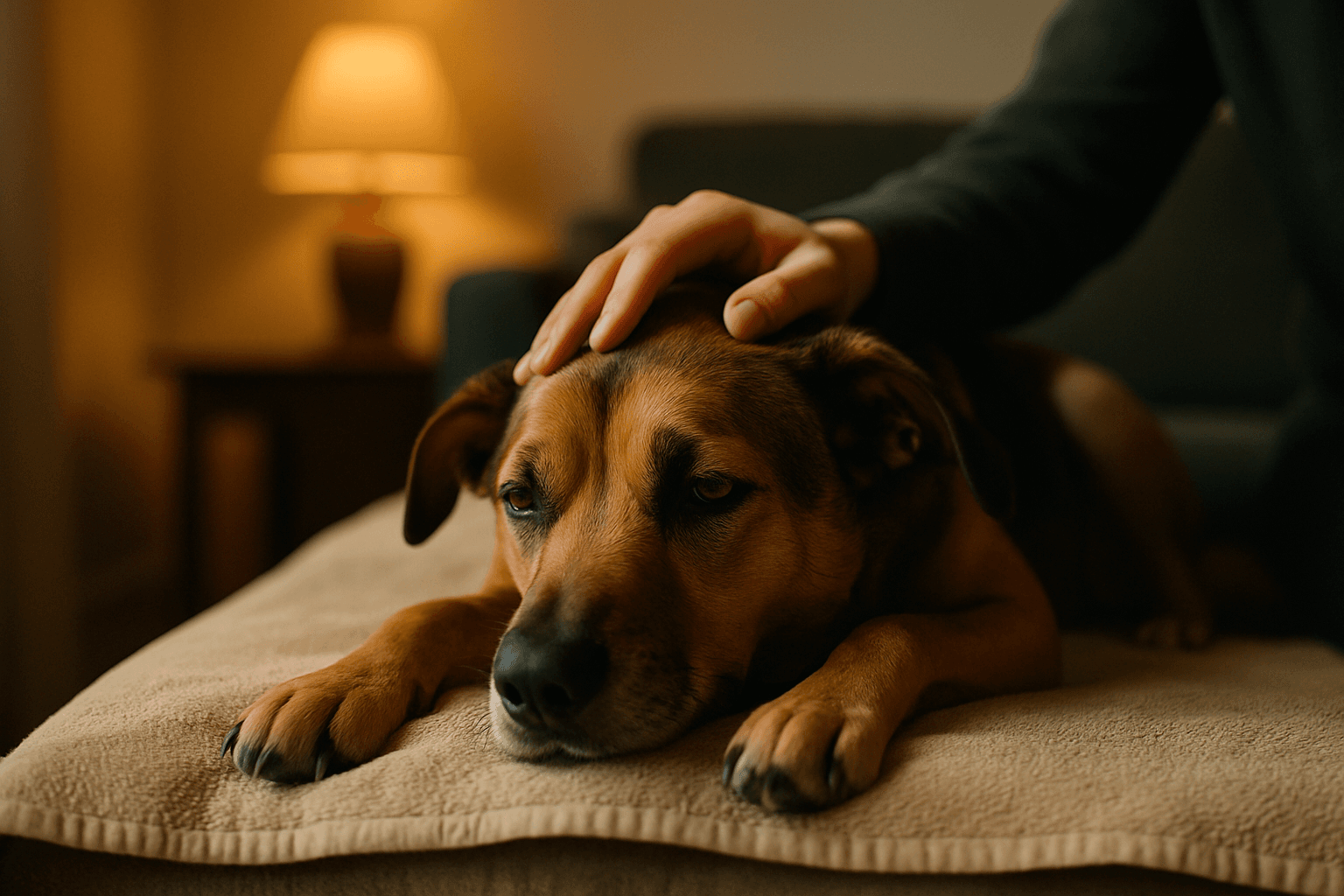
A dog that throws up once after eating grass or getting into the trash is usually fine. A dog that keeps throwing up -- multiple times in a row or over several hours -- needs closer attention. Vomiting can be caused by something as simple as eating too fast or as serious as an intestinal blockage. Here's how to figure out what is going on and what to do right now.
Common Causes of Vomiting
- Dietary indiscretion. The most common cause -- your dog ate something they should not have. Garbage, table scraps, dead animals, or non-food objects. Usually self-limiting if no toxin or blockage is involved.
- Food intolerance or allergy. Some dogs react to specific proteins, grains, or ingredients. Vomiting happens repeatedly with the same food and resolves when the diet changes.
- Pancreatitis. Inflammation of the pancreas, often triggered by fatty foods. Causes severe vomiting, abdominal pain, lethargy, and hunched posture. Common around holidays when dogs get table scraps.
- Bloat (GDV). The stomach fills with gas and may twist on itself. The dog will try to vomit but produce little or nothing. The abdomen may look distended. This is a life-threatening emergency requiring immediate surgery.
- Intestinal blockage. Socks, toys, bones, corn cobs, and other objects can get stuck in the intestines. Repeated vomiting (especially projectile), loss of appetite, and no bowel movements are key signs. This also requires emergency surgery.
- Motion sickness. Some dogs vomit during car rides. Usually starts with drooling and lip-licking. Puppies often outgrow it. Anti-nausea medication from your vet can help.
Vomiting vs Regurgitation
This distinction matters because the causes and treatments are completely different.
Vomiting: Active heaving and abdominal contractions. The dog usually drools, licks their lips, or retches before the vomit comes up. The contents are partially digested and may contain bile (yellow/green fluid).
Regurgitation: Passive -- food slides back up with no effort, usually within minutes of eating. The food looks undigested and is often tube-shaped. Regurgitation points to esophageal problems (like megaesophagus) rather than stomach issues.
When you call the vet, describing which one you are seeing helps them diagnose the problem faster.
When It's Normal vs When to Worry
Normal: A single episode of vomiting followed by a dog that is still alert, drinking water, and acting like themselves. Dogs sometimes vomit after eating grass, eating too fast, or getting a mild stomach upset. One episode with no other symptoms is usually not a crisis.
Time to worry: Multiple vomiting episodes within a few hours, blood in the vomit (bright red or dark coffee-grounds), nonproductive retching (trying to vomit but nothing comes up), vomiting combined with diarrhea and lethargy, or a dog that can not keep water down. Also be concerned if your dog could have swallowed a foreign object.
What to Do Right Now
- Withhold food for 12 hours. Let the stomach settle. This applies to otherwise healthy adult dogs only -- not puppies, senior dogs, or diabetic dogs.
- Offer small amounts of water. Give a few tablespoons of water or ice chips every 30 minutes. If the dog vomits water too, stop offering it and call the vet.
- Watch for more episodes. One vomit is usually fine. Three or more in a few hours is not. Track the frequency and what the vomit looks like.
- Check for foreign objects. Look around the house -- is a sock missing? A toy chewed apart? A garbage bag raided? This information is critical for your vet.
- Reintroduce food slowly. After the 12-hour fast, offer a small amount of bland food (boiled chicken and white rice). Feed small portions every few hours. Gradually transition back to regular food over 2 to 3 days.
- Call the vet if it continues. If vomiting resumes after reintroducing food, or if your dog shows any red-flag symptoms, do not wait -- get them seen.
When to Call the Vet
Get to a vet or emergency clinic immediately if you see any of the following:
- Blood in the vomit -- bright red or dark coffee-ground appearance
- Nonproductive retching -- trying to vomit but nothing comes up (bloat warning sign)
- More than 3 to 4 vomiting episodes in a few hours
- Distended, bloated, or painful abdomen
- Lethargy, inability to stand, or collapse
- Unable to keep water down
- Suspected foreign object ingestion (missing sock, toy parts, bones)
- Vomiting with concurrent bloody diarrhea
Bloat (GDV) and intestinal blockages are surgical emergencies that can be fatal within hours if not treated. If your dog is retching without producing vomit and appears distressed, do not wait -- go to the emergency vet now.
Use our symptom checker to narrow down what might be going on.
Answer a few quick questions to find out if you need the vet right now.