My Dog Drinks a Lot of Water
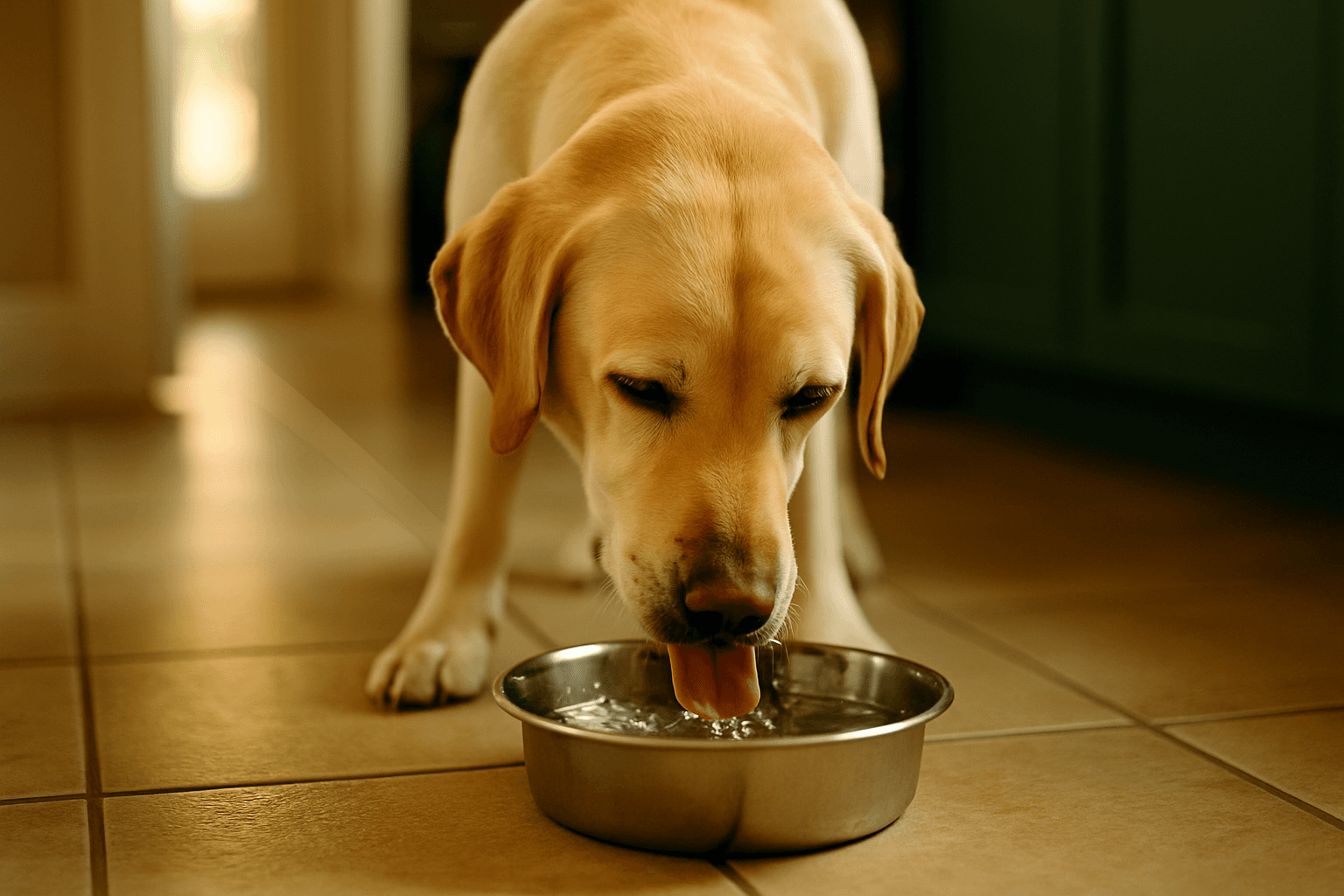
If your dog suddenly can not get enough water -- emptying the bowl multiple times a day or seeking out toilets and puddles -- it is worth paying attention. Sometimes it is just hot weather or extra exercise. But excessive thirst (called polydipsia) can also be an early sign of diabetes, kidney disease, or other conditions that are very treatable when caught early. Here's what it means and what to do.
Common Causes of Excessive Drinking
- Diabetes mellitus. One of the classic signs is a sudden increase in thirst paired with increased urination, weight loss, and increased appetite. The body can not use glucose properly, so it tries to flush the excess through the kidneys.
- Cushing's disease (hyperadrenocorticism). The adrenal glands overproduce cortisol. Increased drinking and urination are usually the first symptoms owners notice. More common in middle-aged to older dogs.
- Kidney disease. As the kidneys lose function, they can not concentrate urine efficiently. The dog drinks more to compensate for the water being lost. Often seen in senior dogs.
- Urinary tract infection (UTI). Inflammation in the bladder makes the dog feel like they need to drink and urinate more frequently. More common in female dogs.
- Medications. Corticosteroids (prednisone, dexamethasone) and phenobarbital are the most common culprits. Increased thirst can start within days of beginning these medications.
- Hot weather or exercise. The simplest explanation. Dogs cool themselves primarily through panting, which evaporates moisture. They need to replace that fluid by drinking more.
When It's Normal vs When to Worry
Normal: Drinking more after a long walk, on a hot day, after eating salty treats, or after switching from wet food to dry kibble. Puppies also tend to drink more than adult dogs relative to their size.
Time to investigate: The rule of thumb is that dogs need about 1 ounce of water per pound of body weight per day. If your dog is consistently drinking double that amount -- or if the increase came on suddenly with no obvious cause -- schedule a vet visit. Also watch for increased urination, accidents in the house, weight loss, lethargy, or changes in appetite. These paired symptoms narrow the diagnosis significantly.
What to Do Right Now
- Measure the intake. Fill the water bowl to a measured level in the morning. Track how much your dog drinks over 24 hours. Do this for 2 to 3 days to get an average.
- Note any other changes. Is your dog urinating more? Losing weight? More or less hungry than usual? Lethargic? Write these down -- your vet will ask.
- Check medications. Did your dog recently start any new medication, especially steroids or seizure drugs? This is often the simplest explanation.
- Do not restrict water. Never limit your dog's water access to reduce drinking. If there is a medical cause, restricting water can lead to dangerous dehydration.
- Schedule a vet appointment. If the excessive drinking has lasted more than a day or two without an obvious cause, get bloodwork and a urinalysis. These two simple tests can screen for the most common causes.
When to Call the Vet
Schedule a vet visit promptly if you notice any of these alongside the increased drinking:
- Sudden weight loss despite a normal or increased appetite
- Urinating in the house when previously house-trained
- Lethargy, weakness, or reluctance to move
- Vomiting or loss of appetite
- Sweet or fruity smell on the breath (possible diabetic ketoacidosis -- this is urgent)
- Drinking has doubled or tripled with no change in weather, diet, or activity
Most causes of excessive thirst are very manageable when caught early. Diabetes can be controlled with insulin. Cushing's responds well to medication. Kidney disease progression can be slowed significantly with diet changes and treatment. The key is not waiting.
Use our symptom checker to narrow down what might be going on.
Answer a few quick questions to find out if you need the vet right now.