
My Dog Breathes Heavy
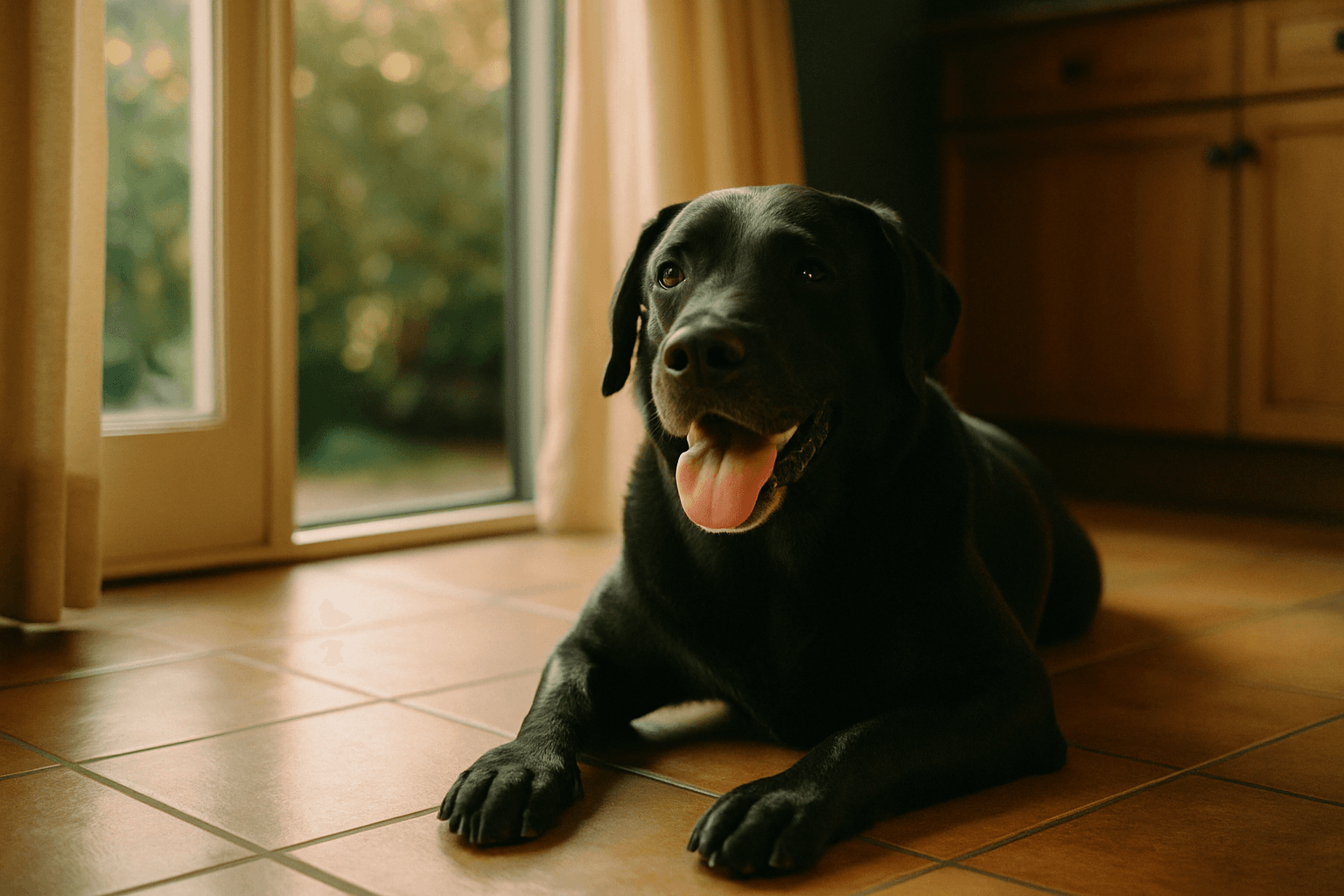
Watching your dog breathe heavily can be alarming -- especially if it is happening at rest or for no obvious reason. Sometimes it is completely normal, like after a long walk or on a hot day. But heavy breathing can also signal pain, heart problems, respiratory disease, or even a life-threatening emergency like bloat or heatstroke. Here's how to tell the difference and what to do.
Common Causes of Heavy Breathing
- Pain. Dogs often pant or breathe heavily when they are in pain but do not show other obvious signs. This is one of the most overlooked causes, especially in stoic breeds.
- Heart disease. Congestive heart failure causes fluid to build up in or around the lungs, making breathing harder. You may notice it worsens at night or when the dog is lying down.
- Respiratory infection. Pneumonia, kennel cough, and other respiratory infections cause coughing combined with labored breathing. Often accompanied by nasal discharge or fever.
- Anemia. When the blood can not carry enough oxygen, the body compensates by breathing faster. Pale gums are a key indicator of anemia.
- Bloat (GDV). Gastric dilatation-volvulus is a life-threatening emergency. The stomach fills with gas and can twist. Heavy panting, a distended abdomen, and restlessness are hallmark signs. This requires immediate emergency surgery.
- Heatstroke. Dogs can not sweat efficiently. In extreme heat, panting becomes frantic and ineffective. The gums may turn bright red or purple. Heatstroke can be fatal without rapid cooling and emergency vet care.
When It's Normal vs When to Worry
Normal: Panting after exercise, during play, when excited, or in warm weather. Brachycephalic breeds (Bulldogs, Pugs, French Bulldogs) naturally breathe heavier and louder due to their shortened airways. Panting that stops once the dog cools down or relaxes is usually nothing to worry about.
Time to worry: Heavy breathing at rest is the biggest red flag. Count your dog's breaths while they are sleeping or lying calmly -- if the rate is consistently above 30 breaths per minute, something is wrong. Also be concerned if you see visible effort (belly pumping, neck stretched out, elbows splayed), hear unusual sounds (wheezing, gurgling, stridor), or notice blue or gray gums, which indicates the blood is not getting enough oxygen.
What to Do Right Now
- Count the breathing rate. Watch your dog's chest rise and fall for 60 seconds while they are at rest. Over 30 breaths per minute at rest is abnormal for most dogs.
- Check the gums. Lift your dog's lip and look at the gum color. Pink is normal. Pale, white, blue, or gray gums are an emergency -- get to a vet immediately.
- Cool them down if it is hot. Move to shade or air conditioning, offer cool (not ice-cold) water, and place wet towels on the groin, armpits, and paw pads.
- Remove obvious stressors. If thunderstorms, fireworks, or another anxiety trigger is the cause, move your dog to a quiet, safe space.
- Look for other symptoms. Coughing? Lethargy? Distended belly? Not eating? These details help your vet pinpoint the cause quickly.
- Do not wait if it looks serious. Labored breathing with blue gums, a bloated abdomen, or collapse is a true emergency. Go to the vet or emergency clinic now.
When to Call the Vet
Seek veterinary care immediately if you notice any of these red flags:
- Blue, gray, or white gums
- Breathing with visible effort -- belly pumping, neck extended, elbows out
- Heavy breathing at rest that does not resolve
- Resting respiratory rate above 30 breaths per minute
- Coughing up pink or foamy fluid
- Distended or bloated-looking abdomen with panting
- Collapse or inability to stand
Heart disease, bloat, and heatstroke can all deteriorate rapidly. If your gut says something is wrong, trust it and call the vet. It is always better to be told everything is fine than to wait too long.
Use our symptom checker to narrow down what might be going on.
Answer a few quick questions to find out if you need the vet right now.