
My Dog Bit Me
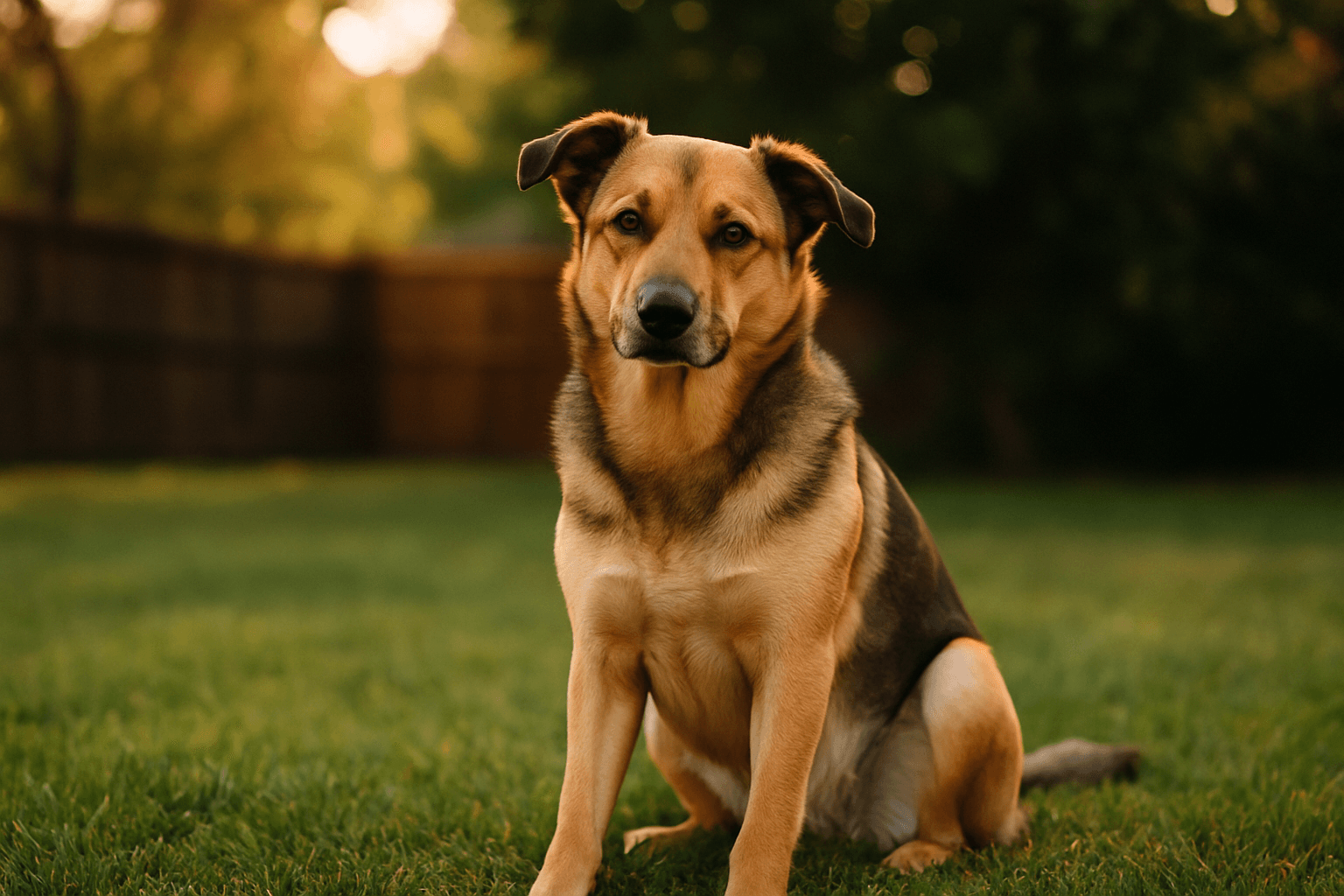
First, take care of your wound. Then figure out why it happened. Being bitten by your own dog is scary and emotional, but it does not mean your dog is dangerous or that something is permanently wrong. Dogs bite for specific reasons -- pain, fear, resource guarding, or being startled. Understanding the cause is how you prevent it from happening again. Here is what to do right now.
Treat the Wound First
- Wash immediately. Run warm water over the wound for 5 minutes. Use mild soap to clean in and around the bite.
- Control bleeding. Apply firm pressure with a clean cloth or gauze. Elevate the area if possible.
- Disinfect. Apply an antiseptic like povidone-iodine (Betadine) or hydrogen peroxide. Pat dry.
- Bandage loosely. Cover with a sterile bandage. Do not seal the wound tightly -- puncture wounds need airflow to prevent anaerobic bacteria from growing.
- Watch for infection. Over the next 24 to 48 hours, watch for increasing redness, swelling, warmth, pus, red streaks extending from the wound, or fever.
Assess the Severity
- Scratch or scrape (no broken skin): Clean and monitor. No medical attention needed unless it becomes infected.
- Single shallow puncture: Clean thoroughly. See a doctor if it is on the hand or face, or if you are immunocompromised.
- Deep puncture wound: See a doctor. Deep punctures can trap bacteria under the skin and are the highest infection risk.
- Laceration or tear: See a doctor. May need stitches, antibiotics, or both. However, many dog bite wounds are left open (not stitched) to reduce infection risk.
- Multiple bites or severe mauling: Go to the emergency room.
Why Your Dog Bit You
Dogs do not bite out of spite or malice. There is always a reason, even if it is not obvious to you in the moment. Understanding the trigger is essential.
- Pain: You may have touched an area that hurts. Dogs with arthritis, ear infections, dental pain, or hidden injuries may bite when the painful area is touched. This is the most commonly missed cause.
- Fear: The dog felt trapped, cornered, or threatened. This can happen during grooming, nail trims, vet visits, or when a dog is approached while sleeping.
- Resource guarding: The dog was protecting food, a toy, a bone, a sleeping spot, or even a person. This is a natural behavior that can be managed with training.
- Startle response: You woke the dog suddenly, approached from behind, or moved too quickly. Older dogs and deaf dogs are more prone to startle bites.
- Redirected aggression: The dog was excited or agitated by something else (another dog, a squirrel, a doorbell) and redirected onto whoever was closest.
- Maternal instinct: Mother dogs with puppies can become protective and bite people who get too close to the litter.
What NOT to Do
- Do not punish the dog. Hitting, yelling, or "alpha rolling" a dog that just bit will increase fear and make future bites more likely, not less.
- Do not force confrontation. Do not immediately try to "show the dog who is boss" by doing the same thing that triggered the bite.
- Do not surrender the dog without understanding the cause. Most bites are situational and preventable once you know the trigger.
What to Do Next
- Write down exactly what happened. What was the dog doing? What were you doing? Where did the bite occur? Was there food, a toy, or another animal involved?
- Schedule a vet visit. Rule out pain as the cause. A full physical exam can uncover hidden injuries, dental problems, or conditions the dog has been hiding.
- Consult a certified behaviorist. Not a TV trainer -- look for a Certified Applied Animal Behaviorist (CAAB) or a veterinary behaviorist (DACVB). They can assess the situation and create a management plan.
- Manage the environment. Until you understand the trigger, avoid situations that could provoke another bite. If it was resource guarding, do not reach for the food bowl. If it was a startle, wake the dog gently from a distance.
When to See a Doctor
See a doctor or go to urgent care if:
- The bite is on your hand, face, or near a joint
- It is a deep puncture wound
- You cannot stop the bleeding
- You are immunocompromised, diabetic, or on blood thinners
- You have not had a tetanus booster in the last 5 years
- The dog is not current on rabies vaccination
- You see signs of infection within 24 to 48 hours (redness, swelling, warmth, pus, fever)
Could your dog be in pain?
Check SymptomsPain is the most commonly missed reason for biting. Check your dog's symptoms.
Is something else going on?
Check NowAnswer a few quick questions to find out if your dog needs the vet.
Frequently Asked Questions
Should I go to the doctor for a dog bite?
You should see a doctor if the bite is a deep puncture wound, if it is on your face or hand, if you are immunocompromised, if you cannot stop the bleeding, or if you see signs of infection (redness, swelling, warmth, pus, red streaks). Dog bite infections can become serious quickly because the mouth contains bacteria that thrive in puncture wounds. Even small punctures can abscess under the skin.
Do I need a tetanus shot after a dog bite?
If you have not had a tetanus booster in the last 5 years, your doctor will likely recommend one. Tetanus bacteria can enter through any break in the skin, including animal bites. If you are unsure when your last tetanus shot was, tell the doctor and they will advise you.
Should I worry about rabies from my own dog?
If your dog is current on their rabies vaccination, the risk of rabies is extremely low. However, if your dog is unvaccinated, overdue for their rabies shot, or if the bite was from a stray or unknown dog, contact your doctor and local animal control immediately. Rabies is nearly always fatal once symptoms appear, so it is taken very seriously even when the risk seems small.
Why did my dog bite me?
Dogs bite for specific reasons -- they do not bite randomly or out of spite. The most common causes are pain (you touched a sore area), fear (the dog felt trapped or startled), resource guarding (protecting food, toys, or space), redirected aggression (the dog was aroused by something else and redirected onto you), and maternal instinct (mother dogs protecting puppies). Understanding the trigger is the first step toward preventing it from happening again.
Do I have to report my dog for biting me?
Reporting requirements vary by jurisdiction. Many places require dog bites to be reported to animal control, especially if medical treatment is sought -- hospitals may report it automatically. If the bite only broke the skin slightly and you do not seek medical care, reporting may not be required in your area. Check your local animal control regulations. Reporting does not automatically mean your dog will be taken away.