
My Dog Ate a Raisin
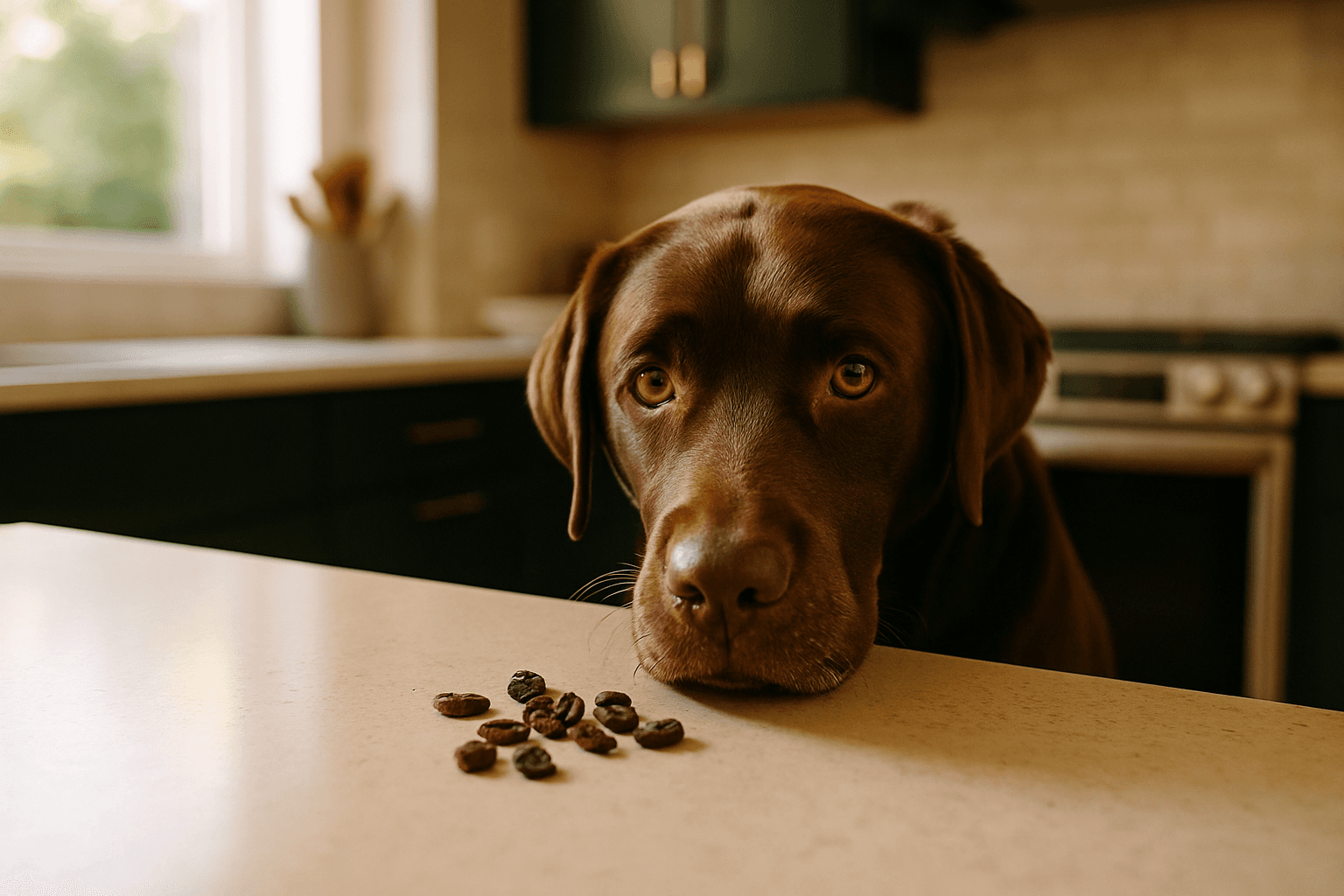
This Is an Emergency
Raisins are toxic to dogs. Even one raisin can cause kidney failure in small dogs. Raisins are actually MORE dangerous than grapes because the toxin is concentrated in dried form. Do not wait for symptoms -- act now.
If your dog just ate a raisin -- or anything containing raisins -- you need to act immediately. Raisins contain the same toxin as grapes, but in concentrated form. A single raisin packs more danger per gram than a whole grape. The toxic compound has not been definitively identified, but it causes acute kidney failure in dogs -- and the reaction is unpredictable. Some dogs eat raisins and are fine. Others die from a small handful. There is no way to know which category your dog falls into until it is too late. Here's what to do right now.
What to Do Right Now
- Stay calm but move fast. Time matters. The sooner you act, the better the outcome.
- Figure out how many raisins your dog ate. Check the package, count what's left, estimate the amount. Your vet will need this information.
- Call ASPCA Poison Control at 888-426-4435. There is a $75 consultation fee, but they will give you immediate expert guidance specific to your dog's weight and the amount ingested.
- Or call your vet or emergency animal hospital immediately. Do not wait for symptoms to appear. By the time symptoms show, kidney damage may already be happening.
- If instructed, induce vomiting. Only do this if directed by a vet AND it has been less than 2 hours since ingestion. Use 3% hydrogen peroxide -- 1 teaspoon per 5 pounds of body weight (max 3 tablespoons).
- Do not feed your dog anything else. No food, no milk, no home remedies. Wait for professional guidance.
- Get to a vet clinic. Even if your dog vomits up the raisins, your vet will likely want to monitor kidney values for 48-72 hours.
Why Raisins Are Deadly for Dogs
The exact toxic compound in grapes and raisins has not been definitively identified, though recent research points to tartaric acid as the likely culprit. What we know for certain is that grapes, raisins, sultanas, and currants can all cause acute kidney failure in dogs.
Raisins are more dangerous than fresh grapes because they are dehydrated. The toxin is concentrated into a smaller package. A dog that might tolerate one grape could be seriously harmed by one raisin, because the raisin delivers a higher dose of the toxic compound per gram of body weight.
The most dangerous aspect is unpredictability. There is no established toxic dose. Some dogs eat a whole box of raisins and show no symptoms. Others develop fatal kidney failure from just a few. Veterinary toxicologists believe this variation may be related to individual differences in how dogs metabolize tartaric acid. Because you cannot predict your dog's reaction, every exposure must be treated as potentially fatal.
How Much Is Too Much
There is no safe amount of raisins for dogs. However, here are the general guidelines veterinary toxicologists use:
- Small dogs (under 10 lbs): Even 1-2 raisins is a veterinary emergency. The concentrated toxin in a tiny body can overwhelm the kidneys rapidly.
- Medium dogs (10-30 lbs): A small handful (5-10 raisins) is extremely dangerous. Even fewer could cause problems in sensitive individuals.
- Large dogs (30-60 lbs): Any amount warrants a vet call. Larger body mass provides some buffer, but kidney failure is still possible.
- Giant breeds (60+ lbs): Even big dogs are at risk. More body weight means a higher threshold, but no amount is confirmed safe.
The bottom line: Do not try to calculate whether your dog ate "enough" to be dangerous. There is no reliable toxic dose. Call your vet regardless of the amount.
When to Call the Vet
Call immediately if your dog ate any amount of raisins. Do not wait for symptoms. Also call if you notice any of these warning signs:
- Vomiting or diarrhea (often the first sign, within 6-12 hours)
- Loss of appetite or refusing water
- Lethargy or unusual quietness
- Abdominal pain (hunched posture, whimpering when touched)
- Decreased urination or no urination at all
- Excessive thirst followed by no thirst
- Bad breath with an ammonia-like smell (sign of kidney failure)
- Tremors or seizures
Kidney failure can develop 24-72 hours after ingestion. Once the kidneys shut down, the condition may be irreversible. Early intervention -- ideally within the first 2 hours -- gives your dog the best chance of a full recovery.
Check any food or household item against our database of known dog toxins.
Answer a few quick questions and find out if your dog needs a vet right now.