
What Scent Do Dogs Absolutely Hate?
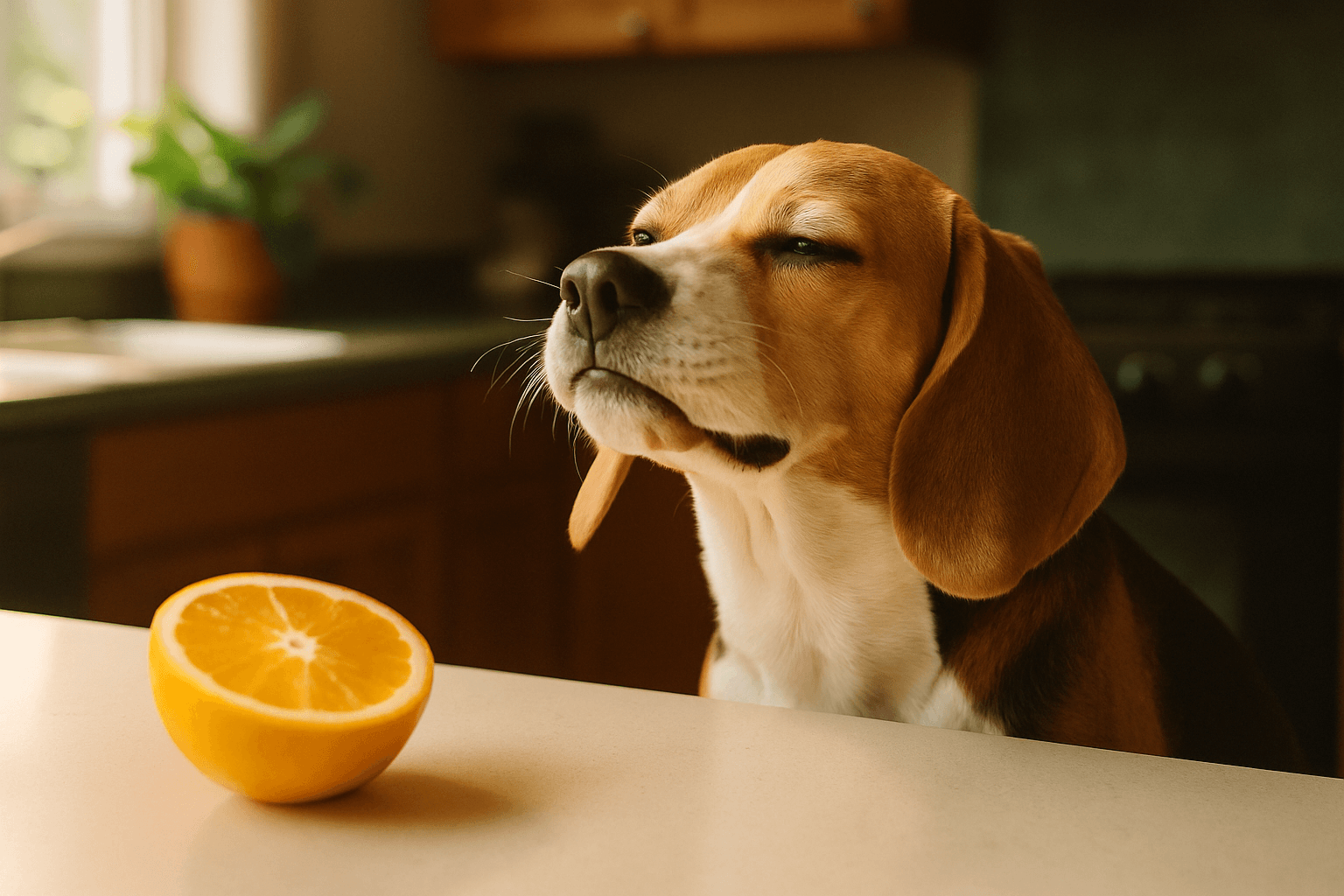
Citrus tops the list -- most dogs recoil from the smell of lemon, orange, and grapefruit like it is physically painful. And for them, it kind of is. Dogs have roughly 300 million olfactory receptors (compared to our measly 6 million), which means scents that smell pleasant or mild to us can be overwhelmingly intense for them. Here are the scents dogs hate most -- and which ones are safe to use as natural deterrents.
8 Scents Dogs Hate
1. Citrus (Lemon, Orange, Grapefruit)
Citrus fruits contain limonene and linalool -- volatile compounds that produce an intensely sharp smell. To a dog with 300 million scent receptors, a lemon peel is like a flashbang for the nose. Most dogs will turn their head away, sneeze, or leave the room. This makes citrus peels and citrus-based sprays one of the safest and most effective natural deterrents. Place lemon peels around garden beds or spray diluted lemon juice on furniture you want to protect.
2. Vinegar
The sharp, acidic smell of white vinegar is unpleasant to most dogs. A 50/50 vinegar-water spray is a common DIY deterrent for keeping dogs off furniture, counters, or out of specific rooms. It is safe, cheap, and effective -- but the smell fades within a few hours, so you will need to reapply regularly. Apple cider vinegar works too but is slightly less pungent.
3. Chili Pepper and Cayenne
Capsaicin -- the compound that makes peppers hot -- irritates a dog's sensitive nasal passages on contact. It is an effective deterrent for gardens and outdoor areas, but it comes with a strong caution: capsaicin can cause pain, respiratory distress, and temporary blindness if it gets in a dog's eyes. Use it sparingly and only in areas where dogs are unlikely to make direct face contact.
4. Rubbing Alcohol (Isopropyl)
The sharp, medicinal smell of rubbing alcohol is intensely unpleasant to dogs. This is one reason many dogs hate going to the vet -- the smell of alcohol wipes and sanitizers fills the building. Never apply rubbing alcohol to your dog or leave it where they can ingest it. It is toxic if swallowed and can cause skin irritation on direct contact.
5. Nail Polish and Nail Polish Remover
Acetone and the chemical solvents in nail products produce fumes that are overwhelming to a dog's nose. Most dogs will leave the room when someone starts painting their nails. These fumes are not just unpleasant -- they are genuinely irritating to the respiratory system. If you do your nails at home, make sure the room is well-ventilated and your dog has somewhere else to go.
6. Mothballs (TOXIC -- Do Not Use)
Mothballs contain naphthalene or paradichlorobenzene, both of which produce a pungent smell dogs avoid. However, mothballs are extremely toxic to dogs. Ingesting even one mothball can cause vomiting, seizures, liver damage, and death. Never use mothballs as a dog deterrent -- the risk is not worth it. This is one scent you should keep away from your dog entirely, not use against them.
7. Ammonia and Bleach
Both ammonia and bleach produce strong chemical fumes that dogs find extremely unpleasant. Ironically, ammonia smells similar to urine, which can sometimes cause dogs to mark over the area rather than avoid it. Bleach fumes can irritate a dog's lungs and eyes. Neither should be used as a deterrent -- they are cleaning products, not dog training tools.
8. Perfume and Cologne
Heavy fragrances that humans find appealing are often overwhelming to dogs. A spritz of perfume that smells subtle to you is an olfactory assault to your dog. This is why some dogs sneeze when you hug them after getting ready to go out -- and why many dogs dislike being handled by heavily perfumed strangers. Your dog prefers your natural scent over any fragrance you can buy.
Safe vs. Unsafe Deterrents
Not every scent dogs dislike is safe to use around them. Here is a quick reference:
- Safe: Citrus peels, diluted vinegar spray, citrus-based commercial pet deterrent sprays
- Use with caution: Cayenne pepper (keep away from face/eyes), commercial bitter apple spray
- Never use: Mothballs (toxic), concentrated essential oils (many are toxic), ammonia, bleach, rubbing alcohol near the dog
Why Dogs Have Such Sensitive Noses
A dog's sense of smell is estimated to be 10,000 to 100,000 times more sensitive than a human's. They have approximately 300 million olfactory receptors (we have 6 million), and the part of their brain dedicated to analyzing smells is 40 times larger than ours, proportionally. Dogs can detect some odors at concentrations of one part per trillion -- the equivalent of detecting a single drop of liquid in 20 Olympic swimming pools.
This incredible sensitivity is why scents that seem mild or even pleasant to us can be genuinely painful for dogs. Imagine someone shining a flashlight in your eyes versus staring at the sun -- that is roughly the difference between how you and your dog experience a strong scent.
Essential Oil Warning
Essential oils deserve a special warning because they are marketed as "natural" but many are genuinely dangerous to dogs. The following essential oils are toxic to dogs and should never be applied to them, diffused in enclosed spaces, or left where they can be ingested:
- Tea tree (melaleuca)
- Peppermint
- Cinnamon
- Pine
- Wintergreen
- Ylang ylang
- Pennyroyal
- Clove
- Eucalyptus
If you use an oil diffuser at home, make sure the room is well-ventilated and your dog can leave the area if they want to. Symptoms of essential oil poisoning include drooling, vomiting, difficulty breathing, tremors, and lethargy. If you suspect exposure, contact your vet or the ASPCA Animal Poison Control Center immediately.
Check our toxic food database before letting your dog near anything questionable.