
What Is the 7-7-7 Rule for Dogs?
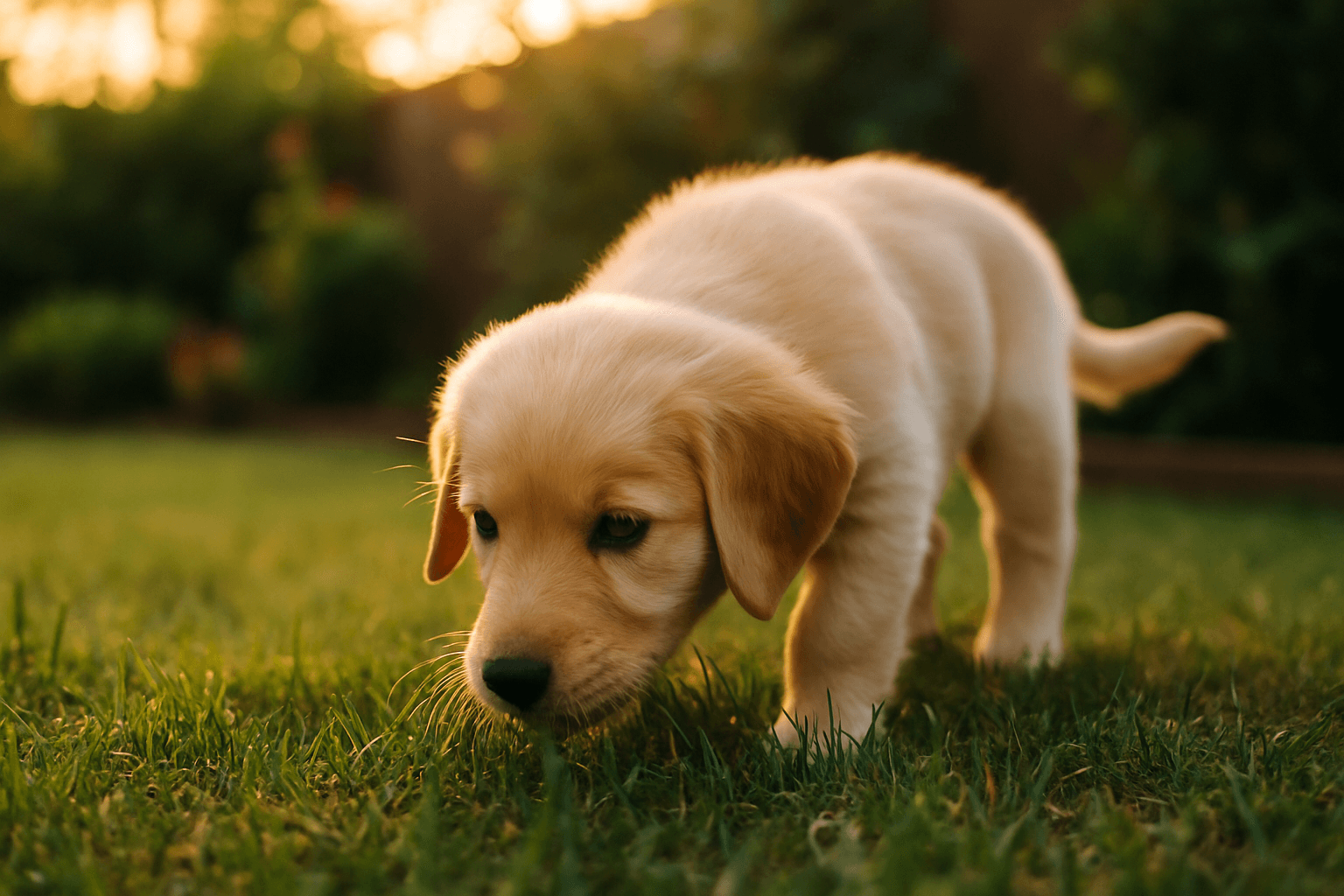
The 7-7-7 rule is a puppy socialization framework that makes exposure systematic, not random. Each week during your puppy's critical socialization window (3 to 14 weeks old), you expose them to 7 new surfaces, 7 new people, 7 new locations, 7 new challenges, 7 new sounds, 7 new objects, and 7 new animals. The goal is to build a confident, well-adjusted dog who can handle anything life throws at them -- and the clock is ticking from the day they are born.
Why the Socialization Window Matters
Between 3 and 14 weeks old, puppies are neurologically primed to accept new experiences as "normal." Their brains are literally wiring themselves to determine what is safe and what is dangerous. After 14 weeks, this window begins to close and puppies shift into a fear-based response pattern -- unfamiliar things become threats rather than curiosities.
This is not a training philosophy. It is neuroscience. Puppies who are not adequately socialized during this period are statistically more likely to develop behavior problems including fear aggression, noise phobias, reactivity toward strangers, and generalized anxiety. Under-socialization is the single biggest predictor of behavior problems in adult dogs.
The 7 Categories Explained
1. Seven New Surfaces
Grass, tile, carpet, gravel, metal grates, wet pavement, sand, wood chips, rubber mats, snow. Puppies who only walk on carpet at home often freeze when they encounter slick floors at the vet. Expose them to every texture you can find -- including wobbly surfaces like balance boards or cushions.
2. Seven New People
Men, women, children, people wearing hats, sunglasses, uniforms, people with beards, people using wheelchairs or walkers, people of different ethnicities. Variety matters. A puppy who only meets adult women will be suspicious of tall men in hats. Make every human encounter positive with treats and gentle handling.
3. Seven New Locations
Your front yard, a friend's house, a quiet park, a parking lot, a hardware store, a veterinary office lobby (just for treats, not shots), a different neighborhood. Each new environment teaches your puppy that the world is big, varied, and safe.
4. Seven New Challenges
Climbing stairs, stepping over a broom handle, walking through a tunnel (a cardboard box works), balancing on a low platform, navigating around obstacles, riding in a car, being handled by a stranger. These build physical confidence and problem-solving skills.
5. Seven New Sounds
Vacuum cleaner, doorbell, fireworks (on a phone at low volume), thunder recordings, sirens, babies crying, construction noise. Start at low volume and pair every sound with high-value treats. Never force a puppy to endure a sound that terrifies them -- that creates the opposite of what you want.
6. Seven New Objects
Umbrellas opening, balloons, plastic bags blowing in the wind, skateboards, strollers, bicycles, trash cans. These are the everyday objects that create reactive dogs when they are never encountered during the socialization window. Let your puppy investigate at their own pace.
7. Seven New Animals
Vaccinated, friendly adult dogs are ideal. But also cats, horses, chickens, goats -- whatever you can safely access. Puppies who only meet other puppies sometimes struggle with adult dog body language. Controlled, positive interactions with calm adult dogs are invaluable.
How to Do It Right
- Quality over quantity. One positive experience is worth more than ten neutral or negative ones. If your puppy shows fear, back off and try again at a lower intensity.
- Treats are your best friend. Pair every new experience with something your puppy loves. New sound = treat. New person = treat. New surface = treat.
- Watch body language. A curious, loose-bodied puppy is learning. A cowering, tail-tucked puppy is scared. Never push through fear -- it backfires.
- Keep a checklist. Write down what your puppy has been exposed to each week. It is easy to think you are doing enough when you are actually repeating the same three experiences.
- Involve the whole family. Everyone in the household should participate so the puppy generalizes their comfort to all family members, not just one person.
Common Mistakes
The biggest mistake is waiting until vaccinations are complete. By 16 weeks, the socialization window is closed. The American Veterinary Society of Animal Behavior (AVSAB) officially recommends socialization begin before the vaccine series is finished, because the behavioral risks of waiting outweigh the medical risks of careful exposure.
The second biggest mistake is flooding -- overwhelming your puppy with too much at once. Taking an 8-week-old puppy to a loud street fair is not socialization. It is trauma. Start small, build gradually, and always let the puppy set the pace.
Some breeds are naturally more adaptable to new experiences. Find the right fit for your lifestyle.