
What Breed of Dog Is Most Clingy?
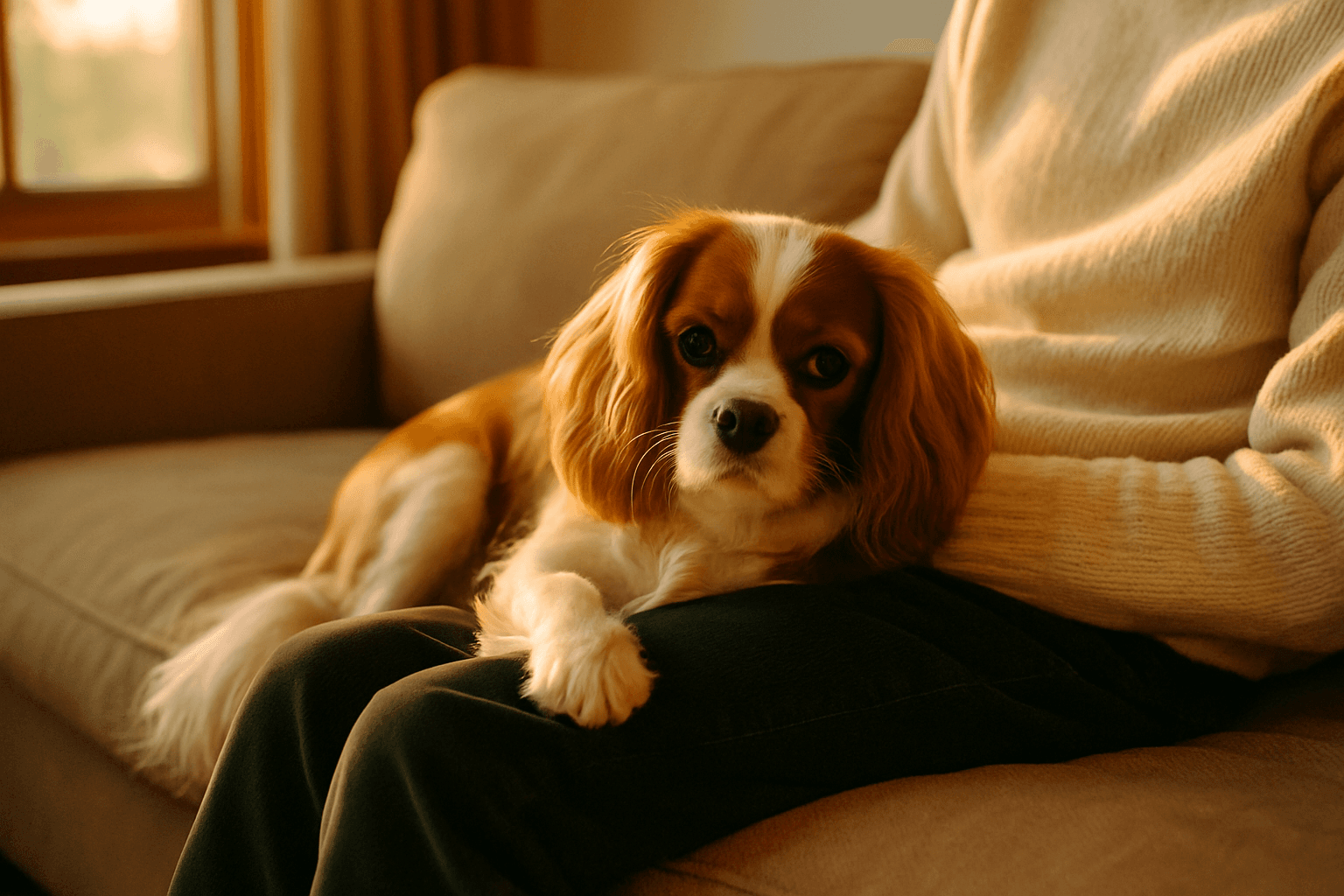
The Vizsla is widely considered the most clingy dog breed -- they are literally nicknamed "the Velcro dog." But they are far from the only breed that wants to be glued to your side at all times. Some dogs were bred to work so closely alongside humans that independence was never part of the plan. If you want a dog that follows you from room to room, sleeps on your feet, and considers personal space a suggestion -- these are your breeds.
Top 10 Most Clingy Dog Breeds
1. Vizsla -- The Ultimate Velcro Dog
The Hungarian Vizsla was bred to work within arm's reach of hunters all day long. They are not just clingy -- they are physically uncomfortable being away from their person. Vizsla owners joke that they have never gone to the bathroom alone since getting one. This breed needs an owner who genuinely wants a shadow.
2. Italian Greyhound
These tiny sighthounds are heat-seeking missiles that will burrow under blankets, into your lap, and under your shirt if you let them. Italian Greyhounds bond intensely with one person and often struggle when separated. They are the definition of a lap dog.
3. French Bulldog
Frenchies were bred exclusively as companion dogs -- not hunters, not herders, not guards. Their entire purpose is to be with you. They are adaptable, easygoing, and completely content as long as they are within touching distance of their favorite human.
4. Cavalier King Charles Spaniel
Bred to warm the laps of British royalty, Cavaliers are genetically programmed for closeness. They are gentle, affectionate, and deeply attuned to their owner's emotions. A Cavalier will match your energy -- calm when you are calm, playful when you are playful -- but always nearby.
5. Havanese
Cuba's national dog was bred as a companion for aristocratic families and has never lost that instinct. Havanese will follow you through every room, sit at your feet while you work, and insist on being part of every activity. They are cheerful, social, and hopelessly attached.
6. Maltese
The Maltese has been a lap dog for over 2,000 years. They have had millennia to perfect the art of being clingy. These dogs thrive on human attention and can become anxious when left alone for extended periods. They were designed to be carried, cuddled, and adored.
7. Labrador Retriever
Labs might surprise people on this list, but they are deeply people-oriented dogs. They were bred to work alongside fishermen and hunters, taking direction and staying close. A Lab is happiest when they are with their family -- and unhappiest when they are excluded from group activities.
8. Golden Retriever
Goldens are the breed that greets everyone like a long-lost friend, but they reserve their deepest attachment for their family. They are sensitive, eager to please, and genuinely distressed when separated from their people for too long. There is a reason they excel as therapy and emotional support dogs.
9. Doberman Pinscher
People think of Dobermans as tough guard dogs, but owners know the truth -- they are 90-pound lap dogs. Dobermans form incredibly intense bonds with their primary person and are known for leaning their entire body weight against you. They are protective precisely because the bond is so strong.
10. German Shepherd
German Shepherds are loyal to a fault. They bond deeply with their family and are often suspicious of everyone else. A GSD will follow you everywhere, not because they are needy, but because they consider it their job to keep you safe. Their clinginess comes from a place of duty and devotion.
Why Some Breeds Are Clingy
Clinginess is not a flaw -- it is a feature. Dogs that were bred to work closely with humans (companions, sporting dogs, herders) developed strong attachment instincts because that was their job. A Vizsla that wandered off during a hunt was useless. A Cavalier that ignored its owner was not fulfilling its role. Centuries of selective breeding reinforced the instinct to stay close.
Independent breeds -- like Shiba Inus, Basenjis, Afghan Hounds, and Chow Chows -- were bred for different jobs that required autonomous decision-making. They love their owners too, but they express it differently. Independence does not mean less love. It just means a different kind of love.
Clingy vs. Separation Anxiety: Know the Difference
These are often confused, but they are different things:
- Clingy dog: Follows you around, wants to be near you, settles when you sit down, and is generally fine (or only mildly unsettled) when you leave the house.
- Separation anxiety: Panics when you leave -- destructive behavior, excessive barking, urinating indoors, pacing, drooling, escape attempts. This is a behavioral disorder that causes genuine distress.
A clingy dog is a personality type. Separation anxiety is a condition that often needs professional intervention. Not every velcro dog has separation anxiety, and not every dog with separation anxiety is clingy when their owner is home.
Find the perfect velcro breed that matches your lifestyle and living situation.