October 14, 2022
49 Toxic Foods Your Dog Should Never Eat
Why Some Human Foods Are Dangerous for Dogs
Dogs metabolize food differently than humans. Substances that are perfectly safe for people can cause serious organ damage, neurological problems, or even death in dogs. Knowing which foods to avoid is one of the most important responsibilities of dog ownership.
This guide covers 49 foods that are toxic or dangerous for dogs, organized by category. For each item, you will find what makes it harmful, what symptoms to watch for, and what to do if your dog eats it.
Fruits That Are Toxic to Dogs
1. Grapes and Raisins
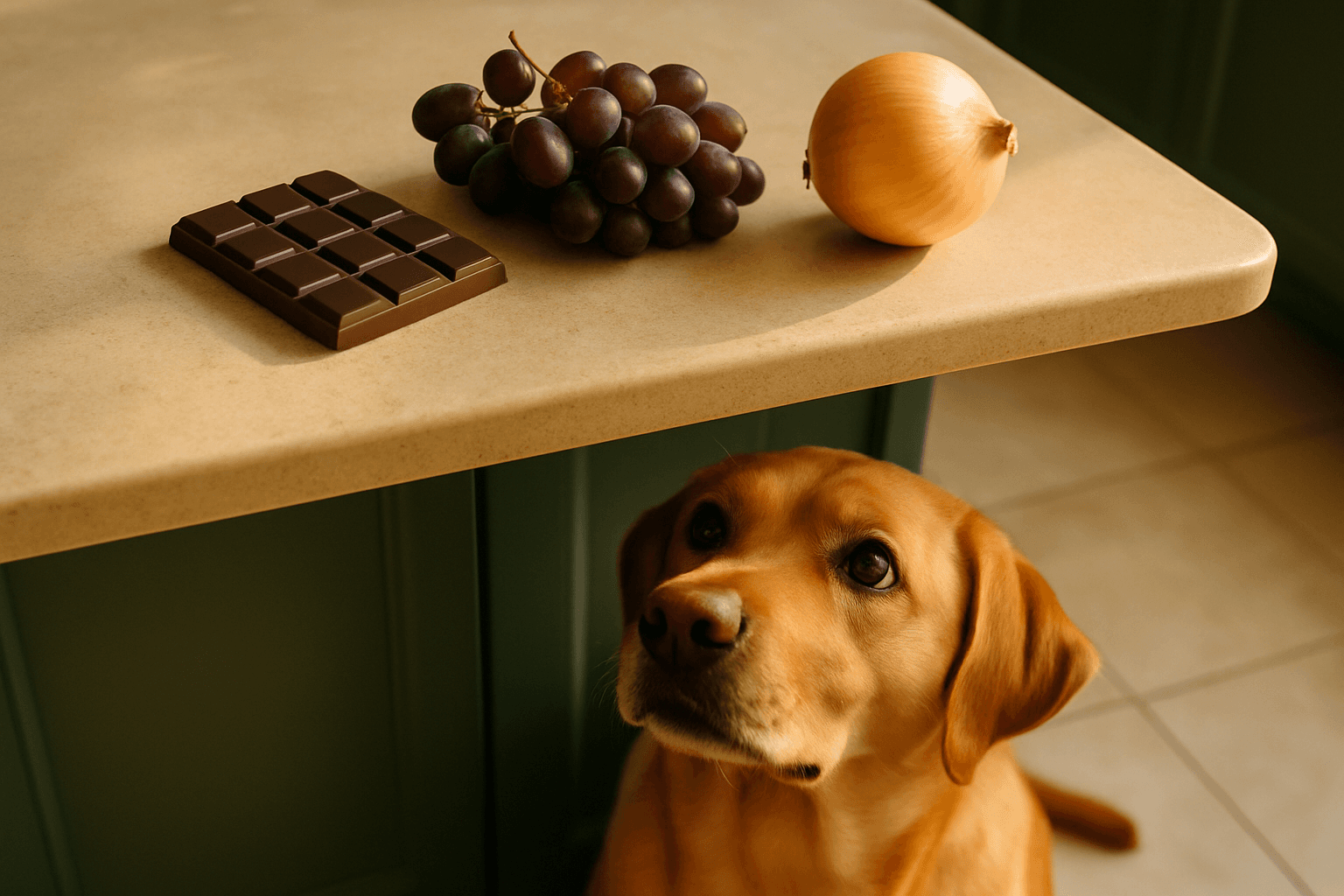
Grapes and raisins can cause acute kidney failure in dogs. Even a small amount can be dangerous, and there is no safe dose. The exact toxic compound has not been definitively identified, though tartaric acid is a leading suspect. Symptoms include vomiting, diarrhea, lethargy, and decreased urination within 12 to 24 hours.
2. Cherries
Cherry pits, stems, and leaves contain cyanide compounds. While the flesh is not toxic in small amounts, the risk of cyanide poisoning from pits makes cherries dangerous. Symptoms include difficulty breathing, bright red gums, and dilated pupils.
3. Avocado
Avocados contain persin, a fungicidal toxin found in the fruit, pit, skin, and leaves. While dogs are more resistant to persin than some animals, large amounts can cause vomiting and diarrhea. The pit also poses a choking and obstruction hazard.
4. Star Fruit
Star fruit contains soluble calcium oxalate crystals that can cause kidney failure in dogs, especially those with pre-existing kidney issues. Even small amounts may lead to vomiting, weakness, and excessive salivation.
5. Persimmons
Persimmon seeds and pits can cause intestinal obstruction and inflammation of the small intestine. The seeds contain compounds that can form a mass in the digestive tract called a bezoar.
6. Unripe Tomatoes and Tomato Plants
Green tomatoes and tomato plant stems and leaves contain solanine and tomatine, which are toxic to dogs in large quantities. Ripe red tomatoes in small amounts are generally safe, but the green parts should be avoided. Symptoms include gastrointestinal distress, lethargy, and weakness.
Vegetables and Plants That Are Toxic to Dogs
7. Onions
All members of the allium family -- onions, shallots, and scallions -- contain N-propyl disulfide, which damages red blood cells and causes hemolytic anemia. Toxicity can occur from raw, cooked, powdered, or dehydrated onions. It takes roughly 15 to 30 grams per kilogram of body weight to cause clinically significant changes, but even smaller amounts over time can be harmful.
8. Garlic
Garlic is approximately five times more potent than onions in terms of toxicity to dogs. It contains thiosulfate, which causes oxidative damage to red blood cells. Symptoms may not appear for several days and include pale gums, elevated heart rate, weakness, and collapse.
9. Leeks and Chives
Like onions and garlic, leeks and chives belong to the allium family and can cause red blood cell damage. Japanese breeds such as Akitas and Shiba Inus appear to be more susceptible to allium toxicity.
10. Wild Mushrooms
While store-bought mushrooms are generally safe, wild mushrooms can be extremely dangerous. Species like Amanita phalloides (death cap) can cause liver failure and death. Because identifying safe wild mushrooms is difficult even for experts, keep your dog away from all wild fungi.
11. Rhubarb
Rhubarb leaves contain high concentrations of oxalic acid, which can cause kidney failure, tremors, and excessive salivation. The stalks contain lower amounts but can still cause gastrointestinal upset.
12. Raw Potatoes and Potato Plants
Raw potatoes, especially green ones, contain solanine -- a glycoalkaloid that is toxic to dogs. Cooked potatoes without seasoning are generally safe in moderation, but raw potato and the plant itself should be avoided.
Sweeteners and Baked Goods
13. Xylitol (Birch Sugar)
Xylitol is one of the most dangerous substances for dogs. Found in sugar-free gum, candy, baked goods, toothpaste, and some peanut butters, xylitol causes a rapid release of insulin that leads to dangerous hypoglycemia. In higher doses, it can cause liver failure. Symptoms appear within 10 to 60 minutes and include vomiting, weakness, tremors, seizures, and collapse. As little as 0.1 grams per kilogram of body weight can cause hypoglycemia.
14. Chocolate
Chocolate contains theobromine and caffeine, both of which are toxic to dogs. The darker the chocolate, the more dangerous it is. Baking chocolate and dark chocolate are the most toxic, while white chocolate contains very little theobromine. Symptoms include vomiting, diarrhea, rapid breathing, increased heart rate, seizures, and potentially death. Toxic dose varies by type -- as little as one ounce of dark chocolate per pound of body weight can be lethal.
15. Caffeine
Coffee, tea, energy drinks, and caffeine pills are all dangerous for dogs. Caffeine stimulates the central nervous system and heart. Symptoms include restlessness, rapid breathing, heart palpitations, muscle tremors, and seizures. There is no antidote for caffeine toxicity.
16. Raw Yeast Dough
Unbaked yeast dough expands in a dog's warm stomach, potentially causing bloat and gastric dilation-volvulus (GDV) -- a life-threatening emergency. The fermentation process also produces ethanol, which can cause alcohol poisoning.
Nuts That Are Dangerous for Dogs
17. Macadamia Nuts
Macadamia nuts are uniquely toxic to dogs, though the exact mechanism is not fully understood. Ingestion can cause weakness in the hind legs, vomiting, tremors, hyperthermia, and depression. Symptoms typically appear within 12 hours and usually resolve within 48 hours with supportive care.
18. Walnuts (Black Walnuts)
Black walnuts are toxic to dogs and can cause vomiting, tremors, and seizures. Moldy walnuts of any variety are particularly dangerous because they can contain tremorgenic mycotoxins that cause severe neurological symptoms.
19. Pecans
Pecans can contain juglone, a compound toxic to dogs, and are prone to mold that produces tremorgenic mycotoxins. Their high fat content also puts dogs at risk for pancreatitis.
20. Hickory Nuts
Like pecans and walnuts, hickory nuts contain juglone and can harbor dangerous molds. They also pose a significant choking hazard and can cause intestinal obstruction due to their size and hardness.
21. Pistachios
While not directly toxic, pistachios are high in fat and can trigger pancreatitis. Pistachio shells can also cause intestinal obstruction, and moldy pistachios may contain aflatoxin, a liver toxin.
22. Almonds
Almonds are not directly toxic but are difficult for dogs to digest and can cause gastrointestinal distress. They also pose a choking hazard, especially for small breeds, and their high fat content can contribute to pancreatitis.
Beverages and Liquids
23. Alcohol
Dogs are far more sensitive to alcohol than humans. Beer, wine, liquor, and foods containing alcohol can cause vomiting, diarrhea, difficulty breathing, central nervous system depression, coma, and death. Smaller dogs are at higher risk due to their lower body weight.
24. Hops
Used in beer brewing, hops can cause malignant hyperthermia in dogs -- an uncontrollable rise in body temperature that can be fatal. Symptoms include heavy panting, elevated temperature, seizures, and death. Home brewers should be especially careful.
25. Milk and Dairy (in excess)
Most adult dogs are lactose intolerant. While small amounts of plain yogurt or cheese may be tolerated, large amounts of milk and dairy products can cause diarrhea, vomiting, and gastrointestinal discomfort.
Spices and Seasonings
26. Nutmeg
Nutmeg contains myristicin, which can cause hallucinations, increased heart rate, disorientation, high blood pressure, abdominal pain, and seizures in dogs. Large doses can be fatal.
27. Salt (in excess)
Large amounts of salt can lead to sodium ion poisoning in dogs. Symptoms include vomiting, diarrhea, tremors, elevated body temperature, and seizures. Extremely high intake can be fatal. Keep rock salt, soy sauce, and salty snacks away from dogs.
28. Mustard Seeds
Mustard seeds and mustard in large quantities can cause severe gastroenteritis in dogs, including vomiting and diarrhea. While sometimes suggested as an emetic, this is dangerous and should never be attempted at home.
29. Black Pepper (in large amounts)
While a small amount of black pepper is unlikely to cause serious harm, large quantities can irritate the gastrointestinal tract and cause respiratory distress if inhaled. It is best to keep heavily seasoned foods away from dogs.
Proteins and Animal Products
30. Raw Salmon and Trout
Raw salmon and some other Pacific Northwest fish can carry Neorickettsia helminthoeca, the organism that causes salmon poisoning disease. This is potentially fatal if untreated. Symptoms appear within 6 days and include vomiting, fever, diarrhea, and swollen lymph nodes. Thoroughly cooking fish eliminates this risk.
31. Cooked Bones
Cooking makes bones brittle and likely to splinter. Cooked chicken, turkey, pork, and rib bones can shatter into sharp fragments that puncture the esophagus, stomach, or intestines. This can cause internal bleeding, peritonitis, and death.
32. Fat Trimmings
Large amounts of fat trimmings -- whether cooked or raw -- can cause pancreatitis in dogs. This is a painful and potentially life-threatening inflammation of the pancreas. Symptoms include vomiting, abdominal pain, and lethargy.
33. Liver (in excess)
Small amounts of liver are nutritious for dogs, but too much can cause vitamin A toxicity (hypervitaminosis A). Symptoms include bone deformity, excessive bone growth on elbows and spine, weight loss, and anorexia. This is most common with long-term excessive feeding.
34. Raw Eggs (caution)
Raw eggs carry a risk of Salmonella and E. coli. Additionally, raw egg whites contain avidin, which interferes with biotin absorption. While some raw feeders include eggs, the safest option is to cook them.
Processed and Prepared Foods
35. Candy and Sweets
Beyond the xylitol risk in sugar-free varieties, candy and sweets can cause obesity, dental problems, and diabetes in dogs. Chocolate-containing candies carry theobromine toxicity risk. Wrappers also pose a choking and obstruction hazard.
36. Corn on the Cob
While corn kernels are not toxic, the cob is a common cause of intestinal obstruction in dogs. Cobs do not break down in the digestive tract and often require surgical removal. Never give a dog a corn cob to chew on.
37. Human Medications
Ibuprofen, acetaminophen (Tylenol), naproxen, and other over-the-counter medications are extremely dangerous for dogs. Acetaminophen damages the liver and destroys red blood cells. Ibuprofen can cause kidney failure and stomach ulcers. Never give your dog human medication without veterinary guidance.
38. Tobacco and Nicotine
Cigarettes, cigars, nicotine patches, nicotine gum, and e-cigarette liquid are all toxic to dogs. Nicotine affects the nervous system and can cause drooling, vomiting, diarrhea, elevated heart rate, respiratory failure, and death. E-cigarette liquid is particularly dangerous due to concentrated nicotine.
39. Marijuana and Edibles
THC is toxic to dogs. With the increasing availability of cannabis edibles, cases of marijuana toxicity in dogs have risen significantly. Symptoms include disorientation, drooling, vomiting, urinary incontinence, tremors, and in severe cases, seizures and coma.
Other Dangerous Substances
40. Coconut Oil (in excess)
Small amounts of coconut oil are generally safe, but large quantities can cause diarrhea and gastrointestinal upset due to the high fat content. Some dogs may also develop pancreatitis from excessive coconut oil consumption.
41. Apple Seeds
Apple seeds contain amygdalin, which releases cyanide when digested. While a few seeds are unlikely to cause problems in a large dog, it is best to core and deseed apples before sharing them with your pet.
42. Peach, Plum, and Apricot Pits
The pits of stone fruits contain cyanogenic glycosides and also pose serious choking and intestinal obstruction risks. Keep all stone fruit pits away from dogs.
43. Citrus Oils and Peels
While small amounts of citrus flesh are not usually harmful, the essential oils and compounds in citrus peels, seeds, and leaves -- particularly psoralen -- can cause gastrointestinal upset, central nervous system depression, and photosensitivity.
44. Moldy or Spoiled Food
Moldy food can contain mycotoxins, particularly tremorgenic mycotoxins, that cause severe neurological symptoms including tremors, seizures, and death. Compost bins are a common source of exposure. Secure garbage and compost away from dogs.
45. Baby Food (certain varieties)
Some baby foods contain onion powder or garlic powder, which are toxic to dogs. Always check ingredient labels carefully before offering baby food to a dog, even when recommended for sick dogs.
46. Bread Dough (with yeast)
Similar to raw yeast dough, any unbaked bread dough containing active yeast can expand in the stomach and produce alcohol. Even small amounts can cause dangerous bloating and ethanol poisoning.
47. Sugarless Gum
Most sugar-free gums contain xylitol. A single pack of gum can contain enough xylitol to be fatal to a small dog. Keep all gum products stored securely out of reach.
48. Energy Bars and Protein Bars
Many energy and protein bars contain chocolate, xylitol, raisins, macadamia nuts, or caffeine -- all of which are toxic to dogs. The combination of multiple toxic ingredients makes these particularly dangerous.
49. Vitamin Supplements (human)
Human vitamins, especially those containing iron, vitamin D, or xylitol as a sweetener, can be toxic to dogs. Iron toxicity can cause severe liver damage, and vitamin D toxicity can cause kidney failure.
What to Do If Your Dog Eats Something Toxic
If you suspect your dog has eaten any toxic food, take these steps immediately:
- Stay calm and remove any remaining toxic food from your dog's reach.
- Identify what was eaten, how much, and when. Save packaging if available.
- Call your veterinarian or an emergency animal poison control hotline:
- ASPCA Animal Poison Control: (888) 426-4435 (fee applies)
- Pet Poison Helpline: (855) 764-7661 (fee applies)
- Do not induce vomiting unless specifically directed to do so by a veterinarian. Some substances cause more damage coming back up.
- Follow professional guidance -- get to an emergency vet if directed.
Prevention Tips
- Keep toxic foods stored in closed cabinets or on high shelves.
- Educate everyone in your household -- especially children -- about which foods are off-limits for the dog.
- Secure garbage cans and compost bins with dog-proof lids.
- Read ingredient labels on processed foods before sharing with your dog.
- When in doubt, do not give it to your dog. Stick to vet-approved treats and foods.
Frequently Asked Questions
How much chocolate is toxic to a dog?
Toxicity depends on the type of chocolate and your dog's size. As a general guideline, one ounce of milk chocolate per pound of body weight is potentially dangerous, while dark and baking chocolate are toxic in much smaller amounts. Any chocolate ingestion warrants a call to your vet.
Can dogs eat peanut butter?
Plain peanut butter without xylitol is generally safe in moderation. Always check the ingredient label -- some brands use xylitol as a sweetener, which is extremely toxic to dogs.
My dog ate a grape. Should I go to the vet?
Yes. There is no established safe dose for grapes or raisins. Some dogs show no symptoms after eating grapes, while others develop kidney failure from just a few. Do not wait for symptoms -- contact your veterinarian immediately.
Are all nuts bad for dogs?
Not all nuts are toxic, but most are problematic. Macadamia nuts are directly toxic. Others like pecans, walnuts, and pistachios can harbor mold or cause pancreatitis. Plain, unsalted peanuts (technically a legume) and cashews are generally safe in small quantities.
Is it true that dogs can eat some of these foods in small amounts?
Some items on this list are dose-dependent -- small amounts may not cause visible symptoms. However, toxicity thresholds vary by breed, size, age, and individual sensitivity. The safest approach is complete avoidance of all foods listed here.
The DogResources directory lists Canadian kennels by breed. New submissions are held for approval before publication. Run a kennel? List it here.