Home › Rottweiler
Rottweiler: The Complete Breed Guide
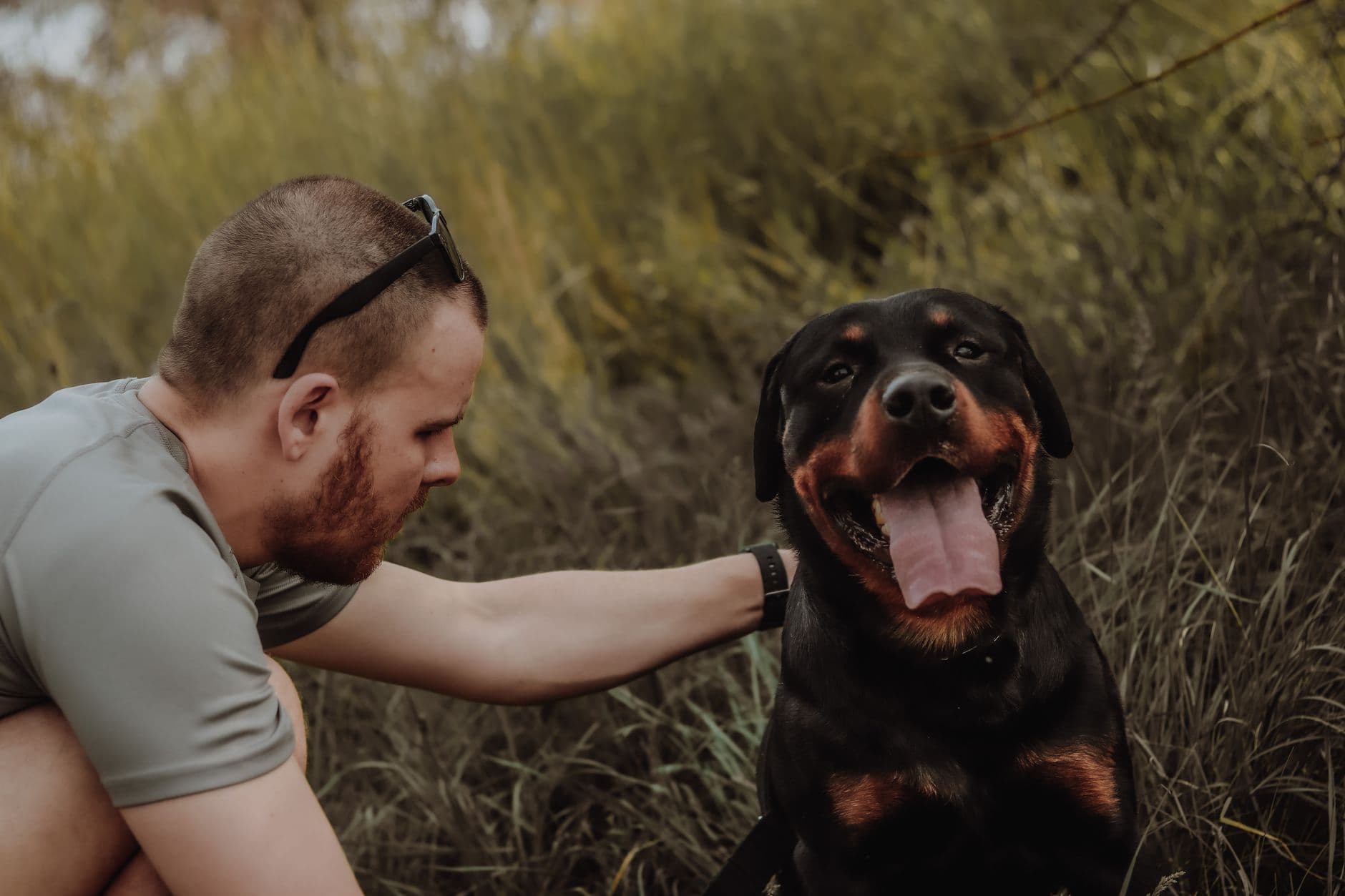
The Rottweiler is one of the oldest working breeds, descended from Roman drover dogs used to herd cattle and pull carts. Today they serve as police dogs, therapy dogs, search-and-rescue dogs, and devoted family guardians. They are powerful, confident, and deeply loyal -- the kind of dog that bonds to its family with an intensity few other breeds match.
But that power and loyalty come with responsibility. Rottweilers need experienced owners who understand large, strong-willed breeds. They need early socialization, consistent training, and an owner who will not be intimidated by a 100+ pound dog with a mind of its own. When raised right, a Rottweiler is calm, controlled, and one of the most trustworthy companions you will ever have. When raised wrong, the consequences are serious.
Rottweiler Quick Facts
| Breed | Rottweiler |
| AKC Group | Working |
| Size | 22-27 inches, 80-135 lbs |
| Lifespan | 9-10 years |
| Coat | Short, dense double coat -- black with rust/mahogany markings |
| Temperament | Loyal, confident, calm, protective |
| Exercise | Moderate to high -- 1-2 hours daily |
| Good with kids | Good -- gentle with family, needs socialization |
| Trainability | High -- intelligent and eager to work, needs firm leadership |
| Shedding | Moderate -- seasonal shedding with year-round maintenance |
Is a Rottweiler Right for You?
A Rottweiler might be right if you:
- Have experience with large or strong-willed breeds
- Want a loyal, protective family guardian
- Can commit to early socialization and ongoing training
- Have a yard and space for a large dog
- Want a calm, confident companion -- not a hyperactive dog
- Are prepared for potential cancer and joint health costs
A Rottweiler might not be right if you:
- Are a first-time dog owner
- Cannot provide firm, consistent leadership
- Live somewhere with breed-specific legislation (BSL)
- Want a dog that is friendly with every stranger
- Are not prepared for higher homeowner's insurance costs
- Cannot handle a 100+ pound dog physically
Find a Rottweiler Breeder
Dedicated, single-breed breeders. Want to be listed here? Add your kennel.
Frequently Asked Questions
Are Rottweilers dangerous?
Rottweilers are not inherently dangerous, but they are powerful dogs that can cause serious harm if poorly bred, poorly socialized, or poorly trained. They were bred as livestock guardians and draft dogs -- they have strong protective instincts and a confident temperament. A well-bred, well-socialized Rottweiler is calm, loyal, and gentle with family. An unsocialized or abused Rottweiler can be reactive and unpredictable. The breed requires experienced, responsible ownership. Blame bad owners and bad breeders, not the breed.
Do Rottweilers need an experienced owner?
Yes. Rottweilers are not recommended for first-time dog owners. They are large, strong, and have a dominant temperament that requires confident, consistent leadership. Without proper training and socialization from puppyhood, a Rottweiler can become stubborn, territorial, or reactive. They respond well to firm but fair training -- harsh methods backfire. If you are committed to ongoing training, early socialization, and establishing clear boundaries, a Rottweiler will be one of the most loyal and devoted dogs you will ever own.
What health problems are common in Rottweilers?
The most common health issues are hip dysplasia, elbow dysplasia, osteosarcoma (bone cancer), and heart conditions (aortic stenosis/sub-aortic stenosis). Rottweilers have one of the highest cancer rates among large breeds -- osteosarcoma alone accounts for a significant percentage of deaths. Bloat (gastric torsion) is also a risk in deep-chested breeds like the Rottweiler. Responsible breeders test for hips, elbows, heart, and eyes. A cardiac evaluation is especially important given the breed's susceptibility to heart disease.
How much exercise does a Rottweiler need?
Adult Rottweilers need 1-2 hours of exercise daily. They are a working breed with moderate to high energy. They enjoy walks, hiking, swimming, and structured activities like obedience, tracking, and carting (they were originally bred to pull carts). Mental stimulation is just as important as physical exercise -- puzzle toys, training sessions, and nose work keep them engaged. Over-exercise during puppyhood should be avoided to protect developing joints. Keep puppies to age-appropriate play until they are fully grown.
Are Rottweilers good with children?
Well-bred, well-socialized Rottweilers are typically excellent with children in their own family. They are patient, protective, and often remarkably gentle with kids. However, they are large and powerful dogs that can accidentally knock over small children. They may also be protective of "their" children around visiting kids, which requires supervision and management. Early socialization with children of all ages is essential. Never leave any large breed unsupervised with young children, regardless of temperament.