
April 10, 2023
Is Coconut Water Safe for Dogs? Benefits, Risks, and Serving Tips
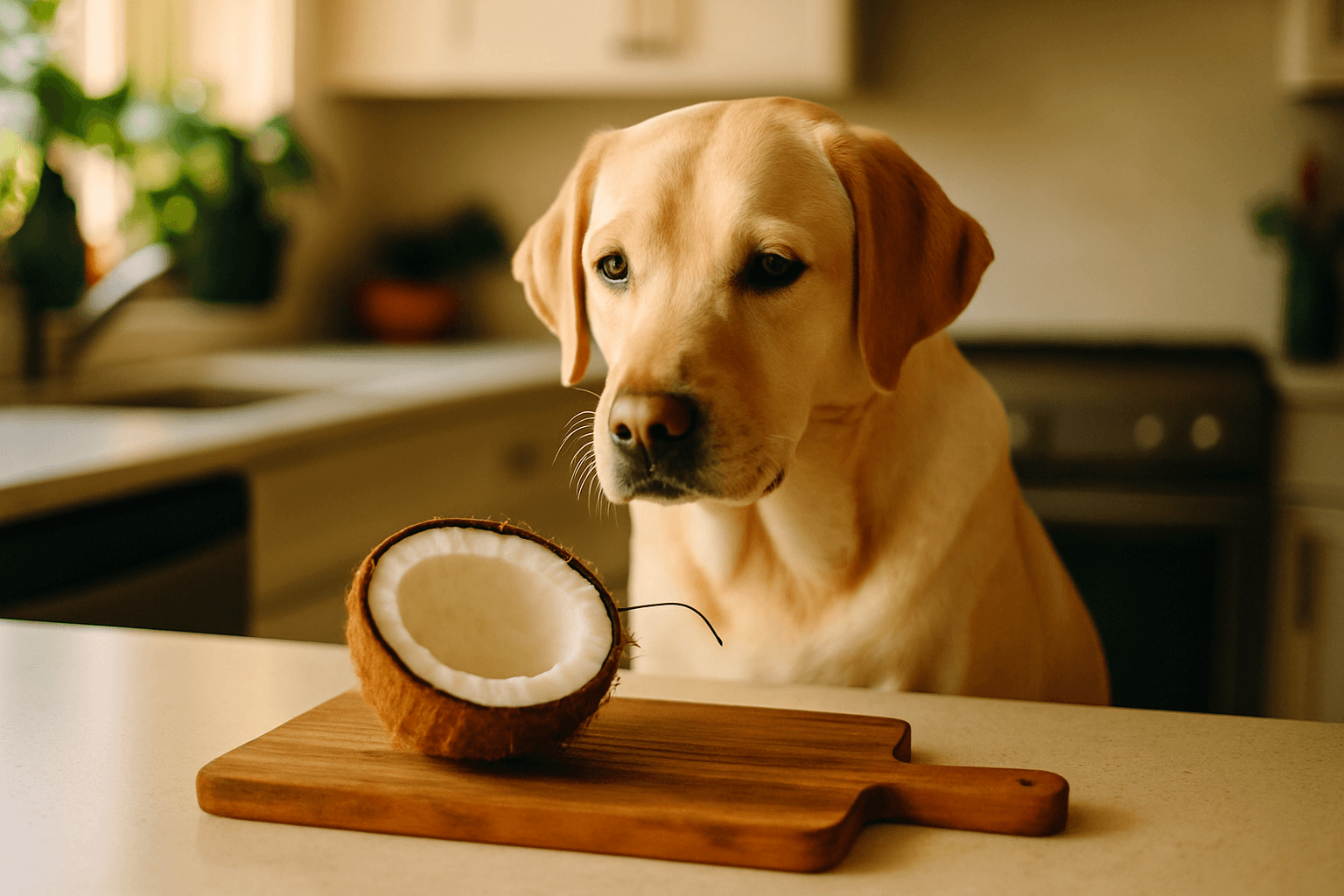

Coconut water has become a popular health drink for people, and many dog owners wonder if they can share it with their pets. The short answer is yes -- plain, unsweetened coconut water is generally safe for dogs in small amounts. But there are some important details to know before you pour some into your dog's bowl.
What Is Coconut Water?
Coconut water is the clear liquid found inside young, green coconuts. It is different from coconut milk, which is made by blending the white coconut flesh with water and straining it. Coconut water is naturally low in calories and fat, and contains electrolytes like potassium, sodium, and magnesium.
It is important to distinguish between these two products because coconut milk is much higher in fat and is not as suitable for dogs.
Nutritional Benefits for Dogs
Natural Electrolytes
Coconut water contains potassium, sodium, magnesium, and calcium -- all electrolytes that support hydration and muscle function. On a hot day or after exercise, a small amount of coconut water can provide a hydration boost beyond plain water.
Vitamins and Minerals
Coconut water contains vitamin C, B vitamins (including B6 and folate), and manganese. While dogs produce their own vitamin C, the other nutrients contribute to overall health in small ways.
Low in Calories
Compared to many commercial dog treats, coconut water is relatively low in calories -- about 45 calories per cup. This makes it a lighter option for dogs who enjoy a special treat.
Biotin Content
Coconut water contains biotin, a B vitamin that supports healthy skin and coat. Dogs with dull coats or dry skin may benefit from the occasional biotin boost, though the amounts in coconut water are modest.
Potential Risks and Concerns
High Potassium Content
The biggest concern with coconut water for dogs is its potassium content. While potassium is an essential mineral, too much can cause problems -- especially for dogs with kidney disease. Healthy kidneys regulate potassium levels efficiently, but compromised kidneys cannot, and excess potassium can affect heart function.
If your dog has kidney disease, heart disease, or Addison's disease, avoid giving coconut water without your vet's approval.
Sugar Content
Even plain, unsweetened coconut water contains natural sugars -- about 6 grams per cup. This is relatively low, but for dogs with diabetes or weight issues, even natural sugars should be given with caution.
Digestive Upset
Some dogs' stomachs are sensitive to new foods and drinks. Introducing coconut water too quickly or in too large an amount can cause diarrhea, gas, or vomiting. Start with a very small amount and see how your dog responds.
Flavored and Sweetened Varieties
Never give your dog flavored, sweetened, or enhanced coconut water products. These often contain added sugar, artificial sweeteners (including xylitol, which is deadly to dogs), and other additives that can be harmful. Always check the ingredient list and choose 100% pure coconut water with no additives.
How Much Coconut Water Can Dogs Have?
Less is more when it comes to coconut water for dogs. Here are general guidelines:
- Small dogs (under 20 lbs): 1 to 2 tablespoons, no more than a few times per week
- Medium dogs (20-50 lbs): 2 to 4 tablespoons, a few times per week
- Large dogs (over 50 lbs): Up to 1/4 cup, a few times per week
Coconut water should never replace regular fresh water. It is a supplement and occasional treat, not a primary hydration source.
Best Ways to Serve Coconut Water to Dogs
As a Bowl Topper
Add a splash of coconut water to your dog's regular water bowl for a flavor boost that encourages drinking on hot days.
Frozen Treats
Pour coconut water into ice cube trays or silicone molds and freeze for a refreshing summer treat. You can mix in small pieces of dog-safe fruit like blueberries or watermelon before freezing.
Mixed with Food
Drizzle a small amount of coconut water over dry kibble to add moisture and flavor. This can be especially helpful for picky eaters or dogs transitioning to a new food.
Post-Exercise Refresher
After a long walk or play session on a warm day, offer a small amount of coconut water alongside regular water. The natural electrolytes can help with rehydration.
Coconut Water vs. Other Coconut Products for Dogs
- Coconut water: Generally safe in small amounts. Low fat, contains electrolytes.
- Coconut milk: Higher in fat. Small amounts occasionally are okay, but not a regular thing.
- Coconut oil: Used topically for skin or added to food in small amounts (1/2 to 1 teaspoon per 10 lbs of body weight). High in fat -- introduce slowly.
- Coconut flesh: Small pieces are safe as treats. High in fiber, which can cause digestive issues in large amounts.
- Coconut shell: Not safe. Can splinter and cause choking or intestinal damage.
When to Avoid Coconut Water
Do not give your dog coconut water if they have:
- Kidney disease or kidney failure
- Heart disease
- Diabetes (without vet approval)
- A history of pancreatitis (though coconut water is low-fat, the sugar content may be a concern)
- Known allergies or sensitivities to coconut
When in doubt, ask your veterinarian before adding coconut water to your dog's diet.
Frequently Asked Questions
Can puppies drink coconut water?
Puppies have sensitive digestive systems. A very small taste is unlikely to cause harm, but puppies do not need coconut water and their primary liquids should be water (or mother's milk for very young pups). Wait until your puppy is at least 6 months old before offering small amounts.
Can coconut water help a dehydrated dog?
While coconut water contains electrolytes, it should not be used as the primary rehydration method for a dehydrated dog. A genuinely dehydrated dog needs veterinary care, possibly including IV fluids. Coconut water can be a nice supplement for mild hydration support, but it is not a substitute for proper medical treatment.
My dog drank a lot of coconut water. What should I watch for?
Monitor for diarrhea, vomiting, bloating, or unusual lethargy. If your dog consumed a large amount and shows symptoms, contact your vet. Most dogs will simply have some digestive upset that resolves on its own within a day.
Is coconut water better than Pedialyte for dogs?
For mild hydration support, either can work under veterinary guidance. Pedialyte is specifically formulated for electrolyte replacement and is often recommended by vets for mild dehydration. Coconut water is a more natural option but with less precise electrolyte ratios. Always consult your vet for proper hydration solutions.
Does coconut water help dogs with bad breath?
There is no scientific evidence that coconut water improves bad breath in dogs. Persistent bad breath usually indicates dental disease, digestive problems, or other health issues that need veterinary attention rather than dietary supplements.
The DogResources directory lists Canadian kennels by breed. New submissions are held for approval before publication. Run a kennel? List it here.