
April 27, 2023
Can Dogs Drink Gatorade? What You Need to Know About Electrolytes for Dogs
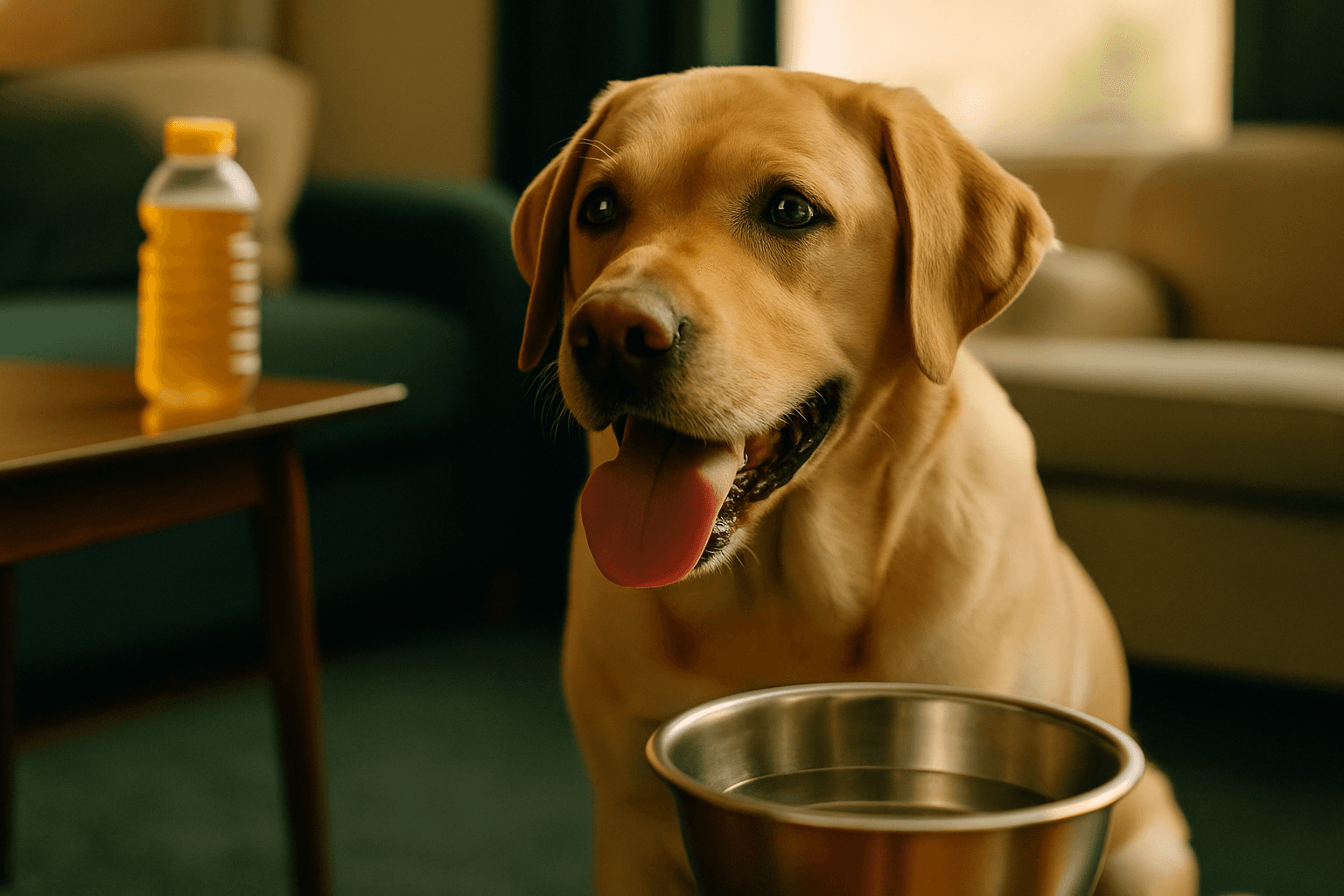
When your dog is sick, dehydrated, or recovering from a bout of vomiting or diarrhea, your first instinct might be to reach for something you would drink yourself -- like Gatorade. It makes sense: Gatorade replaces electrolytes in humans, so why not dogs?
The short answer is that a small amount of Gatorade probably will not harm a healthy dog, but it is far from the best option. Here is what you need to know.
Is Gatorade Safe for Dogs?
Gatorade is not toxic to dogs. If your dog takes a few laps from your glass, there is no reason to panic. However, Gatorade is formulated for human physiology, not canine, and it contains ingredients that are not ideal for dogs:
- Sugar -- A 20 oz bottle of Gatorade contains about 34 grams of sugar. Dogs do not need added sugar, and regular intake can contribute to obesity, dental problems, and diabetes.
- Artificial colors -- Many Gatorade flavors contain Red 40, Blue 1, or Yellow 5. While not acutely toxic, artificial dyes serve no nutritional purpose for dogs.
- Sodium and potassium levels -- The electrolyte ratios in Gatorade are calibrated for human sweat loss. Dogs cool themselves primarily through panting, not sweating, so their electrolyte needs are different.
- Citric acid -- Can cause stomach upset in some dogs, especially those already dealing with digestive issues.
When Might Electrolytes Help a Dog?
Electrolyte supplementation can be genuinely helpful for dogs in these situations:
- After prolonged vomiting or diarrhea
- During recovery from illness or surgery
- After intense exercise or working in extreme heat
- During bouts of parvo or other dehydrating illnesses (under veterinary guidance)
In these cases, the goal is to replace sodium, potassium, and chloride lost through fluid loss. But Gatorade is not the best way to do this.
Better Alternatives to Gatorade for Dogs
Pedialyte (Unflavored)
Unflavored Pedialyte is a much better choice than Gatorade for dogs. It has lower sugar content, no artificial colors, and electrolyte ratios closer to what a dehydrated animal needs. Offer it diluted -- mix 50/50 with water for mild dehydration.
Important: Use regular Pedialyte only. Avoid Pedialyte Advanced Care or any version containing zinc, which can be toxic to dogs in large amounts.
Homemade Electrolyte Solution
You can make a simple electrolyte drink at home:
- 4 cups of water
- 1 tablespoon of sugar
- 1 teaspoon of salt
Mix until dissolved and offer in small amounts. This is a basic solution and should only be used short-term until you can get to a vet.
Veterinary Electrolyte Products
Products like Oralade, K9 Power Go Dog, and Nupro Electrolytes are specifically formulated for dogs. They have the correct electrolyte ratios, appropriate flavoring, and no harmful additives. If your dog is prone to dehydration or you have a working/sporting dog, keeping one of these on hand is a smart investment.
Bone Broth
Plain, unsalted bone broth (no onions, no garlic) provides natural electrolytes and is highly palatable to most dogs. It can encourage a sick dog to drink when they are refusing water. Make it at home or buy a dog-specific brand.
How to Tell If Your Dog Is Dehydrated
Before reaching for any electrolyte product, check for actual signs of dehydration:
- Skin turgor test -- Gently pinch the skin on the back of your dog's neck. In a hydrated dog, it snaps back immediately. If it returns slowly or stays "tented," the dog is dehydrated.
- Dry, sticky gums -- Healthy gums are wet and slippery. Tacky or dry gums indicate fluid loss.
- Capillary refill time -- Press a finger against the gum until it turns white, then release. Color should return in under 2 seconds. Longer than that suggests dehydration or circulation problems.
- Sunken eyes -- Moderate to severe dehydration causes the eyes to appear recessed.
- Lethargy and loss of appetite -- A dehydrated dog often becomes listless and refuses food.
What About Sugar-Free Gatorade?
Avoid sugar-free or "zero" sports drinks entirely. Many contain xylitol (sometimes listed as "birch sugar" or "sugar alcohol"), which is extremely toxic to dogs. Even small amounts of xylitol can cause a rapid, dangerous drop in blood sugar and potential liver failure. Always check the ingredient label before offering any human beverage to a dog.
How Much Fluid Does a Dog Need Daily?
A healthy dog needs roughly one ounce of water per pound of body weight per day. A 50-pound dog should drink about 50 ounces (roughly 6 cups) of water daily. This increases with exercise, heat, and illness.
If your dog is drinking significantly more or less than this baseline, it is worth mentioning to your vet.
When to See the Vet
Home electrolyte solutions are a temporary bridge, not a treatment plan. See your vet if:
- Vomiting or diarrhea persists for more than 24 hours
- Your dog cannot keep water down
- You notice blood in vomit or stool
- Your dog is a puppy, senior, or has a chronic health condition
- Dehydration signs do not improve within a few hours of offering fluids
Severe dehydration often requires subcutaneous or IV fluids administered by a veterinarian. Oral electrolytes cannot replace this level of intervention.
Frequently Asked Questions
Can I give my dog Gatorade after a long hike?
A few sips will not hurt, but plain water is the best choice for post-exercise hydration in dogs. If you hike frequently with your dog, carry a collapsible bowl and fresh water.
My dog loves Gatorade. Can I give it as a treat?
It is best not to make it a habit. The sugar and artificial ingredients offer no benefit and can cause problems over time. If your dog enjoys flavored water, try adding a splash of unsalted bone broth to their bowl instead.
Is Powerade safer than Gatorade for dogs?
They are essentially equivalent. Powerade has similar sugar content, artificial colors, and electrolyte levels. Neither is formulated for dogs.
Can puppies drink Gatorade?
Puppies are more sensitive to sugar and sodium than adult dogs. Do not give Gatorade to puppies. If a puppy shows signs of dehydration, contact your vet immediately -- puppies can decline very quickly.
The Bottom Line
Gatorade is not toxic to dogs, but it is not a good choice for canine hydration. The sugar, artificial colors, and human-calibrated electrolyte ratios make it a poor fit. Unflavored Pedialyte, homemade electrolyte solutions, or veterinary-grade products are all better options. And if your dog is genuinely dehydrated, skip the sports drinks and call your vet.
The DogResources directory lists Canadian kennels by breed. New submissions are held for approval before publication. Run a kennel? List it here.