
June 1, 2026
Shipping a Puppy Across Canada: What Breeders and Buyers Need to Know
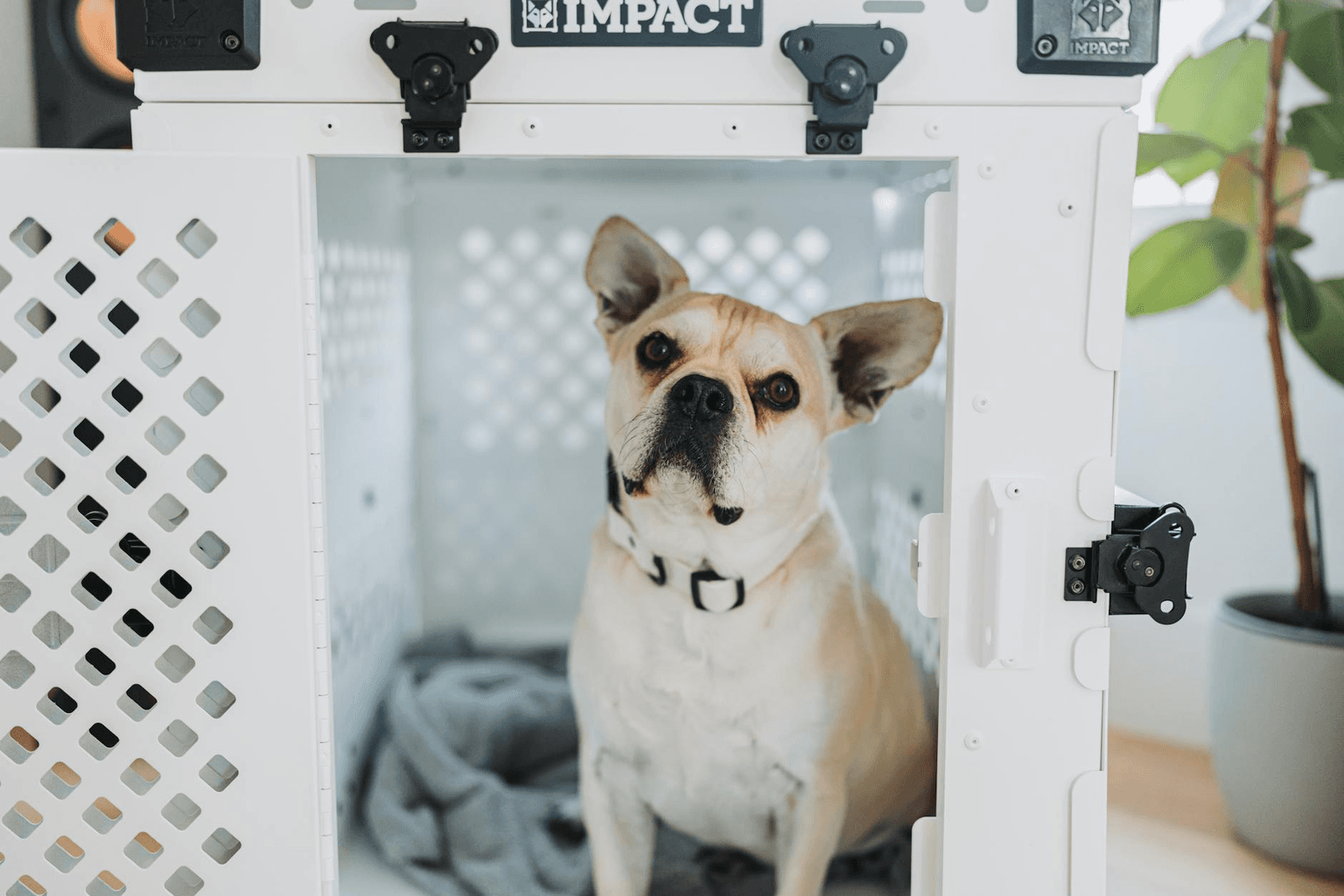
A puppy born in British Columbia can join a family in Nova Scotia, and the right breeder for your home may live three provinces away. That is the reality of buying a dog in a country this size. Shipping a puppy across Canada is normal, it is done safely every week, and it is also the part of the process where the most goes wrong, both honestly through bad planning and dishonestly through outright scams. This guide explains exactly how a puppy travels from one end of the country to the other, who arranges what, what it actually costs, and how a breeder and a buyer hand a young dog off without anyone getting hurt or robbed.
Quick facts: shipping a puppy across Canada
The two ways a puppy travels across Canada
There are really only two legitimate options, and a breeder who knows what they are doing will be specific about which one they use.
Ground transport. Professional pet transporters drive climate-controlled vans on set routes, often running the Trans-Canada corridor between major cities. Puppies travel in secured crates with scheduled stops for water, food, and a chance to relieve themselves. Ground is slower, sometimes two or three days coast to coast, but many people prefer it for a young puppy because the trip is calmer than a cargo hold and a real person is checking on the dog the whole way. A good transporter sends photo or video updates from the road.
Air cargo. The puppy flies as manifested cargo in a pressurized, temperature-controlled compartment, not in the cabin. This is the fast option, often same-day, and it is how most long, awkward routes get covered when no ground service runs them. Airlines impose firm rules on crate size, ventilation, labelling, weather (they will refuse to fly animals in extreme heat or cold), and minimum age. The puppy is dropped at a cargo terminal by the breeder or transporter and collected at the destination terminal by the buyer, not at the regular passenger baggage claim.
A third path exists for shorter hops: the breeder or a family member simply drives or flies with the puppy in person. That is closer to the territory of arranging pickup directly with a breeder, and it removes the shipping question entirely when distance allows.
Who arranges the shipping, and who pays
This is the detail buyers most often get wrong, and the gap scammers slip through. In a legitimate sale, the breeder usually arranges the transport because they know the reputable companies, they hold the puppy's health paperwork, and they are the one handing the dog over at origin. The buyer almost always pays the shipping cost, which is separate from and on top of the price of the puppy. That is normal and fair.
What is not normal is a stranger who suddenly introduces a third party "shipping company" after you have paid a deposit, then asks for more money through that company for a crate, insurance, or a climate fee, each one promised as refundable on arrival. Real transporters bill a single agreed price, in writing, before the trip. They do not invent new fees mid-journey, and a legitimate breeder will give you the transporter's real company name and phone number so you can confirm the booking yourself. If you cannot independently verify the courier, treat the whole arrangement as suspect. Starting from a vetted breeder directory rather than an anonymous marketplace removes most of this risk before it begins.
What shipping a puppy actually costs in Canada
Price depends on distance, method, and the size of the crate the puppy needs. As a working range, expect ground transport to run roughly $300 to $700 for a regional move and more for a true coast-to-coast trip, while air cargo commonly lands between $500 and $1,200 once you add the airline fee, the approved crate, and any terminal handling charges. A toy-breed puppy in a small crate costs less to move than a large-breed puppy that needs a bigger box and heavier weight bracket.
Two cost rules protect you. First, get the full price in writing before the puppy leaves, including who supplies the crate. Second, be deeply skeptical of any quote that seems too cheap or any seller who is vague about the number. A price that is far below the real market for the breed is bait, not a bargain, and the same logic applies to suspiciously low shipping.
Crates, paperwork, and health requirements
Whether the puppy goes by road or air, it travels in a crate it can stand up in, turn around in, and lie down in comfortably. Airlines require a hard-sided, well-ventilated kennel that latches securely, with absorbent bedding and clear "Live Animal" labelling. The breeder should also send the puppy with a recent health certificate from a licensed veterinarian and an up-to-date vaccination and deworming record. A puppy is generally not shipped before about eight weeks of age, and many breeders and airlines hold to that firmly for the puppy's welfare.
Ask the breeder to confirm the puppy has been seen by a vet and is fit to travel, and keep that paperwork. You will want it for your own veterinarian. Book your puppy's first vet visit within the first day or two after arrival so a professional confirms the dog is the age and health you were promised, which is also your earliest chance to catch any travel stress before it becomes a problem.
Green flags and red flags
Signs of a safe shipping arrangement
- The breeder names a real transport company you can phone and verify
- One agreed shipping price, in writing, before the puppy travels
- A live video call showing the actual puppy and its mother before money moves
- A health certificate and vaccination record travel with the puppy
- The puppy is at least eight weeks old and cleared by a vet to travel
- Updates and photos from the road, or a confirmed cargo booking number
Shipping red flags that signal a scam
- A surprise "shipping company" appears only after you pay a deposit
- New fees keep arriving (crate, insurance, climate, customs) each one refundable later
- Payment only by e-transfer, gift card, wire, or crypto
- The seller refuses or keeps postponing a live video call
- You cannot independently confirm the courier exists
- Pressure to pay today or "lose the puppy to another buyer"
A safe handoff, step by step
Here is what a clean cross-country shipment looks like from agreement to arrival. You confirm the puppy is real with a live video call showing it with its mother. You and the breeder agree, in writing, on the puppy price and a separate shipping price, and the breeder names the transport company. You look that company up independently and confirm the booking with them directly, using the phone number on the company's own website rather than a number the seller texts you. The breeder supplies the health certificate, vaccination record, and an approved crate. You pay through a method that gives you recourse if something goes wrong. On travel day you track the trip, whether that is van updates or a cargo flight number. You collect the puppy at the agreed point, check it against the paperwork, and book that early vet visit. Every step in that chain is something an honest breeder welcomes and a scammer cannot complete.
Where to start so shipping is the easy part
The safest shipment begins with a breeder worth shipping from. When the seller is established, reachable, and tied to a real kennel history, the transport is just logistics. When the seller is anonymous, the transport is where your money disappears. Begin where breeders are identifiable and accountable: browse the American Bulldog breeders directory for a breed-specific shortlist, or the full dogresources breeder directory across breeds, and see who has puppies available now in the classifieds.
Skip the anonymous marketplaces. Browse Canadian breeders and active litters, each linked to a kennel profile. Do your own health and contract checks, and then all that is left to arrange is the drive or the flight.
Frequently asked questions
Is it safe to ship a puppy across Canada?
How much does it cost to ship a puppy in Canada?
Does the puppy fly in the cabin or as cargo?
Who pays for shipping, the breeder or the buyer?
What age can a puppy be shipped?
How do I avoid a puppy shipping scam?
The DogResources directory lists Canadian kennels by breed. New submissions are held for approval before publication. Run a kennel? List it here.