Home › Havanese
Havanese: The Complete Breed Guide
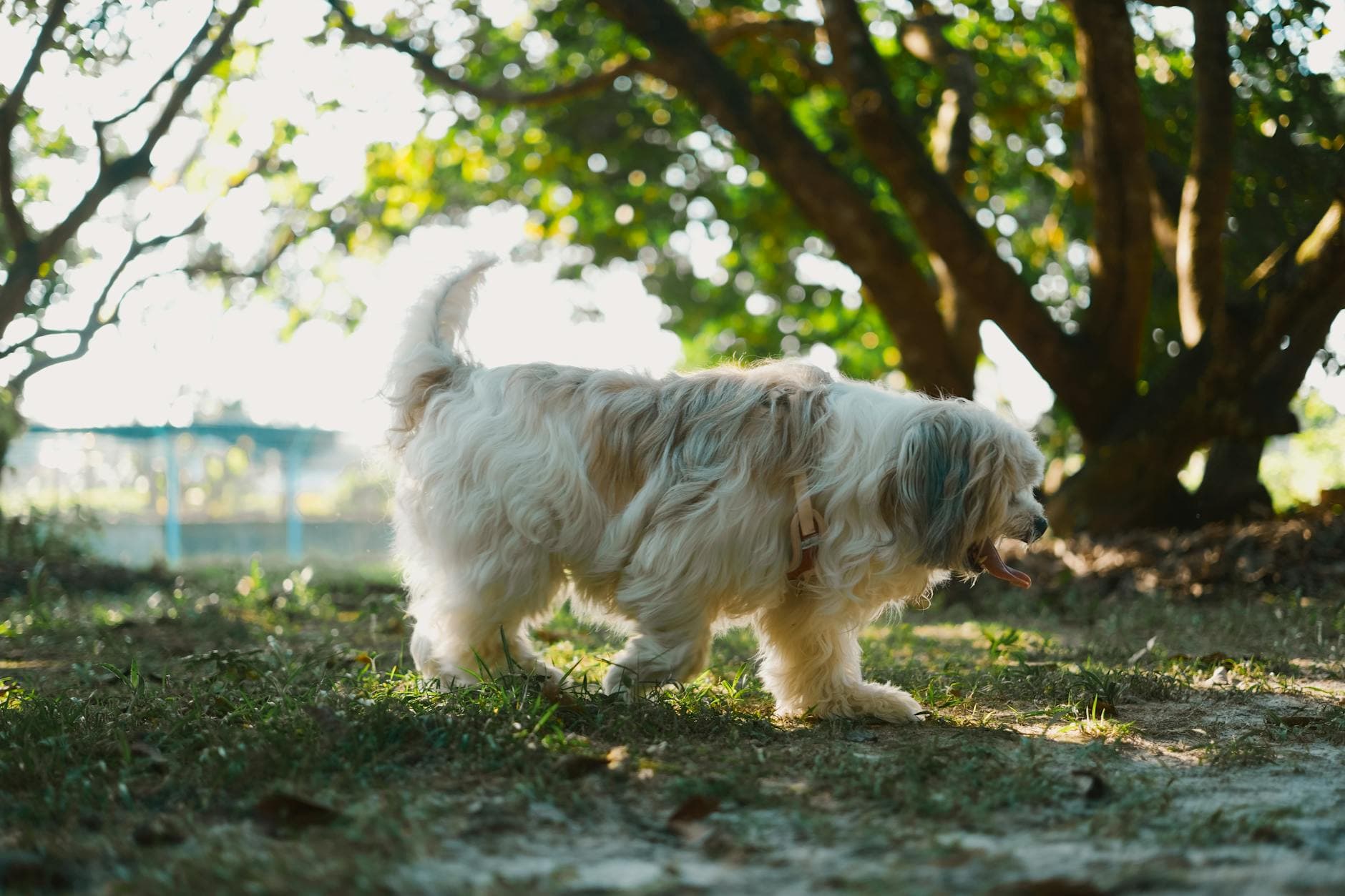
The Havanese is Cuba's national dog and the only breed native to the island. Descended from the now-extinct Blanquito de la Habana and related to the Bichon family, the Havanese nearly disappeared after the Cuban Revolution. A handful of dogs brought to the United States by fleeing families became the foundation of the modern breed. Every Havanese alive today traces back to just 11 dogs.
Today the Havanese is one of the fastest-growing breeds in popularity, and for good reason. They are cheerful, adaptable, hypoallergenic, and small enough for apartment life but sturdy enough to play with kids. Their signature trait is personality -- Havanese are natural clowns who live to entertain their people. They are not a dog you leave alone all day. They are a dog that wants to be wherever you are, doing whatever you are doing.
Havanese Quick Facts
| Breed | Havanese |
| Other names | Havana Silk Dog, Bichon Havanais |
| Size | 8-11 inches, 7-13 lbs |
| Lifespan | 14-16 years |
| Coat | Long, silky, double-layer -- hypoallergenic, low-shedding |
| Temperament | Clownish, affectionate, cheerful, social |
| Exercise | Low -- short walks and indoor play |
| Good with kids | Yes -- sturdy enough for gentle play |
| Trainability | High -- eager to please and loves performing |
| AKC Group | Toy |
Is a Havanese Right for You?
A Havanese might be right if you:
- Want a cheerful, social companion dog
- Live in an apartment or small home
- Have allergies or want minimal shedding
- Are home frequently or can bring your dog with you
- Have children who are gentle with small dogs
- Enjoy grooming and coat care
A Havanese might not be right if you:
- Are away from home most of the day
- Want a quick and easy housebreaking experience
- Do not want to commit to regular brushing and grooming
- Want a guard dog or a dog that is independent
- Prefer a low-maintenance breed
- Want a high-energy hiking or running partner
Health Watch: Luxating Patella
Luxating patella (kneecap slipping out of place) is the most common orthopedic issue in Havanese. It ranges from mild (occasional skip in gait) to severe (requiring surgical correction). Ask breeders for OFA patella certification on both parents. Keeping your Havanese at a healthy weight reduces stress on the knee joints. If you notice your dog occasionally holding up a back leg or skipping during a walk, have your vet evaluate for patella luxation early -- grades 1 and 2 can often be managed without surgery.
Find a Havanese Breeder
Dedicated, single-breed breeders. Want to be listed here? Add your kennel.
Frequently Asked Questions
Are Havanese hypoallergenic?
Havanese are considered hypoallergenic because they have a silky, double-layer coat that sheds very little. Unlike most double-coated breeds, the Havanese outer coat is light and airy rather than dense, and loose hair tends to get caught in the coat rather than falling onto furniture and floors. They produce less dander than heavy-shedding breeds. Regular brushing (ideally daily) and bathing every 1-2 weeks keeps allergen levels low. They are one of the best breeds for allergy sufferers.
Are Havanese hard to housebreak?
Yes, Havanese are widely considered one of the more challenging breeds to housebreak. This is common across many small breeds -- their tiny bladders need more frequent trips outside, and they can be stubborn about going out in cold or wet weather. Consistency is everything. Crate training, a strict schedule, and positive reinforcement are the most effective approach. Many Havanese owners also train their dogs to use indoor pee pads as a backup, especially in apartments or colder climates. Expect housebreaking to take longer than with larger breeds.
How much exercise does a Havanese need?
Havanese have minimal exercise needs compared to most breeds. A couple of short walks per day plus some indoor playtime is usually sufficient. They are happy to match your activity level -- they will walk with you for 30 minutes or lounge on the couch all afternoon. This low exercise requirement is one reason they are such excellent apartment dogs. That said, they are not lazy dogs. They enjoy learning tricks, playing fetch indoors, and any activity that involves interaction with their person.
Why are Havanese called clowns?
Havanese have earned the nickname "clown of the dog world" because of their playful, attention-seeking personality. They love to perform, will invent games to make you laugh, and have an expressive, animated way of moving and interacting. Many Havanese will do "the Havanese bounce" -- springing around on their hind legs when excited. They are natural performers who thrive on your reaction. This clownish quality lasts well into their senior years and is one of the breed's most endearing traits.
How long do Havanese live?
Havanese typically live 14 to 16 years, making them one of the longer-lived breeds. Their small size and generally sound structure contribute to their longevity. Common health concerns include luxating patella (kneecap slipping), cataracts, liver shunts, heart murmurs, and Legg-Calve-Perthes disease (hip joint degeneration). Responsible breeders test for eye conditions, patella, and hips before breeding. Keeping your Havanese at a healthy weight and maintaining regular vet visits gives you the best shot at a long life together.