
January 6, 2023
How to Get Rid of Skunk Smell on Your Dog
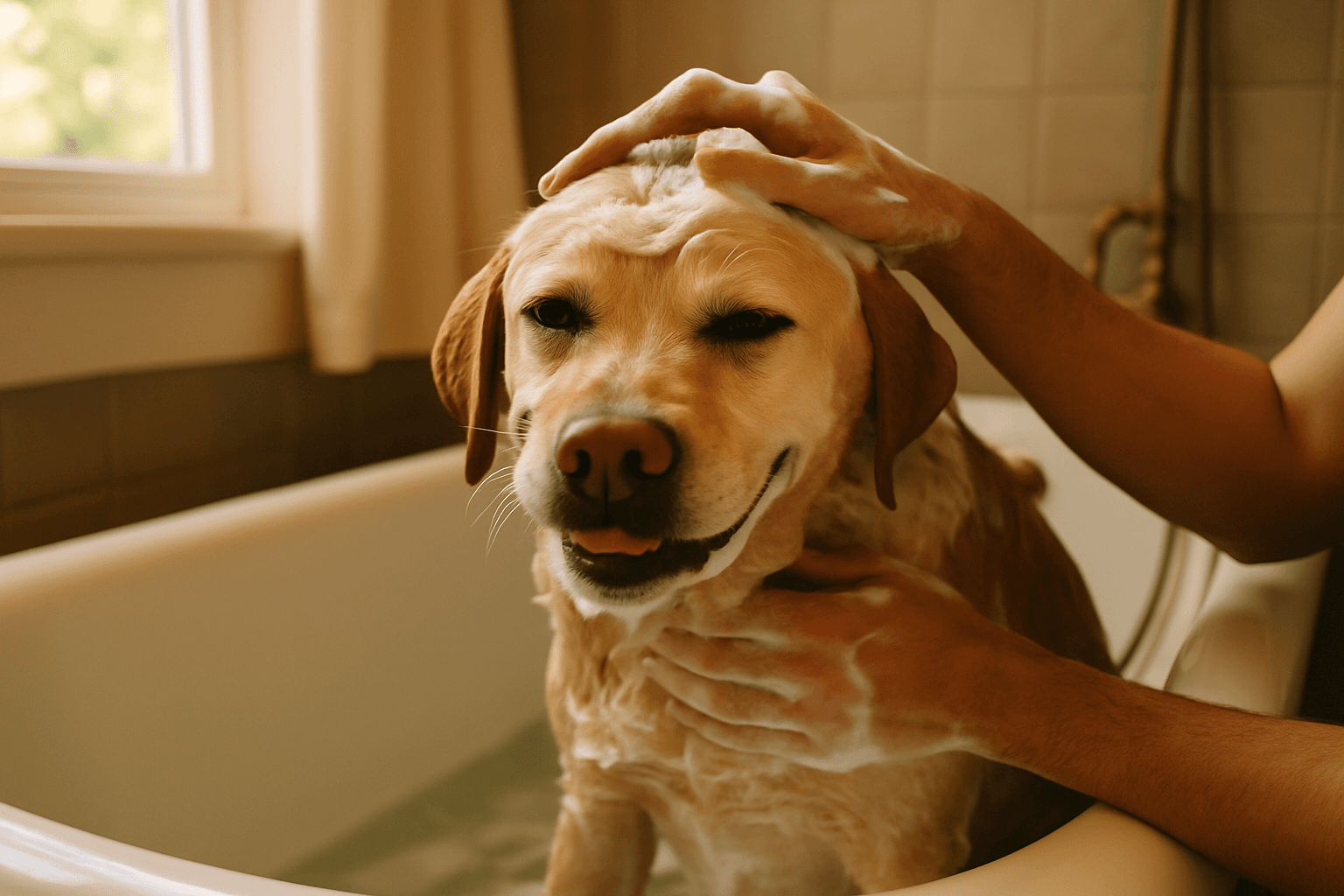
Few experiences test a dog owner's patience quite like a skunk encounter. That unmistakable, overpowering odor can linger for weeks if not treated properly -- and most of the popular home remedies either do not work or make the problem worse. This guide walks you through exactly what to do, step by step, when your dog gets sprayed by a skunk.
What to Do Immediately After a Skunk Spray
The first few minutes after a skunk encounter matter more than anything else. Skunk spray is an oily, sulfur-based compound called thiol, and it bonds quickly to skin, fur, and mucous membranes. The faster you act, the easier it is to neutralize.
Step 1: Check for Injuries
Before worrying about the smell, assess your dog for injuries. Skunks can scratch and bite, and they are potential carriers of rabies. Look for:
- Cuts, puncture wounds, or scratches on the face and body
- Red, watery, or swollen eyes (skunk spray targets the face)
- Excessive drooling or pawing at the mouth
- Difficulty breathing or signs of distress
If your dog's eyes appear irritated, flush them gently with clean lukewarm water or saline solution for several minutes. If you see bite wounds or your dog seems disoriented, contact your veterinarian immediately -- rabies exposure requires prompt treatment.
Step 2: Keep Your Dog Outside
Do not bring your dog inside the house. Skunk oil transfers easily to carpet, furniture, upholstery, and clothing. Once it gets into your home, it is extremely difficult to remove. If possible, confine your dog to a yard, garage, or porch while you prepare the cleaning solution.
Step 3: Blot (Do Not Rub) Excess Oil
If you can see wet, oily patches on your dog's fur where the spray hit, use paper towels or old rags to blot -- not rub -- the area. Rubbing spreads the oil deeper into the coat and makes removal harder. Dispose of any contaminated rags immediately.
The Best Skunk Smell Removal Formula
Forget tomato juice. It does not work -- it only masks the odor temporarily and can stain light-colored fur. The most effective de-skunking solution was developed by chemist Paul Krebaum and has been validated by veterinary professionals for decades.
Ingredients
- 1 quart (4 cups) of 3% hydrogen peroxide (standard drugstore concentration)
- 1/4 cup baking soda (sodium bicarbonate)
- 1 teaspoon liquid dish soap (Dawn or similar grease-cutting formula)
Why This Formula Works
Skunk spray contains thiols -- sulfur-based organic compounds that produce that distinctive, gagging odor. The hydrogen peroxide and baking soda work together to oxidize the thiols, chemically converting them into odorless sulfonic acids. The dish soap breaks down the oily carrier that helps the thiols bond to fur and skin.
Important Safety Notes
- Mix fresh and use immediately. This solution produces oxygen gas as a byproduct. Never store it in a closed container -- it can build pressure and burst.
- Do not get it in your dog's eyes, ears, or mouth. Hydrogen peroxide can irritate mucous membranes. Use a washcloth to carefully clean the face area.
- It may lighten dark fur slightly. The peroxide has a mild bleaching effect. This is temporary and typically fades within a few weeks.
- Wear rubber gloves. The solution is not harmful to your skin, but you will smell like skunk for hours if it gets on your hands.
- For large dogs, double the recipe. You need enough solution to saturate the affected areas thoroughly.
Step-by-Step De-Skunking Process
Step 1: Mix the Solution
Combine the hydrogen peroxide, baking soda, and dish soap in an open bucket or bowl. It will fizz -- that is the oxidation reaction beginning. Use it while it is still actively fizzing for maximum effectiveness.
Step 2: Apply to Dry Fur
This is critical: apply the solution to your dog's coat while it is still dry. Water dilutes the solution and reduces its effectiveness. Wetting your dog first is one of the most common mistakes people make.
Work the solution into the fur with your gloved hands, focusing on the areas where the spray hit most directly (usually the face, chest, and front legs). Massage it down to the skin. For the face, apply carefully with a washcloth to avoid the eyes.
Step 3: Wait 5 to 10 Minutes
Let the solution sit on your dog's coat for at least 5 minutes. This gives the oxidation reaction time to neutralize the thiols. For heavy sprays, you can leave it on for up to 10 minutes.
Step 4: Rinse Thoroughly
Rinse your dog completely with warm water. Make sure all of the solution is removed from the coat and skin.
Step 5: Wash with Dog Shampoo
Follow up with a standard dog shampoo to remove any remaining residue and restore moisture to the coat. The peroxide solution can be drying, so a moisturizing shampoo or conditioner is helpful.
Step 6: Repeat if Necessary
For direct hits or particularly strong sprays, one treatment may not fully eliminate the odor. If your dog still smells after the first treatment, mix a fresh batch of solution and repeat the process. Most dogs need one to two treatments.
How to Clean Your Dog's Face
The face is almost always where the spray is concentrated, but it is also the most sensitive area to clean. Here is how to handle it safely:
- Soak a clean washcloth in the de-skunking solution and wring it out so it is damp but not dripping.
- Gently wipe the muzzle, cheeks, and forehead, avoiding the eyes and the inside of the ears.
- For the area directly around the eyes, use plain warm water or saline solution only -- never hydrogen peroxide near the eyes.
- If your dog's eyes are still red or irritated after flushing, contact your vet. Skunk spray can cause temporary blindness or corneal irritation that may need treatment.
Cleaning Contaminated Items
Your dog is not the only thing that will smell. Here is how to handle everything else the skunk oil touched:
Clothing and Fabric
Wash contaminated clothing in hot water with 1/2 cup of baking soda added to your regular detergent. Add 1/2 cup of white vinegar to the rinse cycle. You may need to wash items two or three times. Air-dry outdoors if possible -- the dryer can set any remaining odor into the fabric.
Collars and Leashes
Nylon collars and leashes can be soaked in the hydrogen peroxide solution or a baking soda and water paste. Leather collars may be permanently stained and are difficult to fully de-skunk -- you may need to replace them.
Your Home
If skunk oil got into your house, open all windows for ventilation. Wipe down hard surfaces with a solution of 1 cup white vinegar per gallon of water. For carpet and upholstery, sprinkle baking soda generously, let it sit overnight, and vacuum thoroughly. Commercial enzymatic cleaners designed for pet odors can also help break down residual thiol compounds.
Why Tomato Juice Does Not Work
The tomato juice myth persists because of a phenomenon called olfactory fatigue. After prolonged exposure to skunk odor, your nose becomes temporarily desensitized to it. When you introduce the strong, different smell of tomato juice, your brain perceives a change and interprets it as the skunk smell being reduced. In reality, the thiols are still fully present. Once the tomato juice scent fades, the skunk smell returns in full force.
Commercial De-Skunking Products
Several commercial products are formulated specifically for skunk odor removal. These can be worth keeping on hand if you live in an area where skunk encounters are common:
- Nature's Miracle Skunk Odor Remover: An enzymatic formula that breaks down skunk oil. Effective for both dogs and household surfaces.
- Skunk-Off: A concentrated liquid that can be added to shampoo or used as a standalone treatment.
- De-Skunk by Thornell: A veterinary-grade formula that works on contact. Available as a shampoo or spray.
These products work well, but they are not always available at 2 AM when your dog comes home reeking. The hydrogen peroxide formula uses ingredients most households already have -- which is why it remains the go-to recommendation from veterinarians.
Preventing Future Skunk Encounters
- Supervise evening outings: Skunks are most active at dusk and dawn. Keep your dog on a leash during these hours, especially in rural or suburban areas.
- Secure garbage cans: Skunks are attracted to food waste. Tight-fitting lids reduce the chance of skunks visiting your yard.
- Install motion-activated lights or sprinklers: These can deter skunks from entering your property.
- Block den sites: Skunks nest under decks, sheds, and porches. Seal openings with hardware cloth or lattice to keep them out.
- Train a reliable recall: A dog that comes when called can be redirected before investigating a skunk.
Frequently Asked Questions
How long does skunk smell last on a dog if untreated?
Without treatment, skunk odor can persist on a dog's coat for two to three weeks. In humid conditions or on long-coated breeds, it can last even longer. The smell will fade gradually as the thiols break down from exposure to air and sunlight, but it is a slow process.
Can skunk spray make my dog sick?
In most cases, skunk spray causes temporary irritation but no lasting harm. However, dogs sprayed directly in the face may experience nausea, drooling, or temporary vision problems. In rare cases, compounds in skunk spray can cause a condition called Heinz body anemia, which destroys red blood cells. If your dog seems lethargic, refuses food, or has dark-colored urine after a skunk encounter, see your vet promptly.
Can I use vinegar instead of hydrogen peroxide?
Vinegar is not as effective as hydrogen peroxide for neutralizing skunk thiols. Vinegar is an acid and can help with some odors, but it does not oxidize the sulfur compounds the way peroxide does. Use it as a supplement (for example, in laundry) but not as a replacement for the primary formula.
Is it safe to use hydrogen peroxide on puppies?
The 3% hydrogen peroxide solution is generally safe for puppies when used externally. Be extra careful around their eyes and mouth, and rinse thoroughly. For very young puppies (under 8 weeks), consult your veterinarian before using any cleaning solution.
Should I take my dog to the vet after a skunk spray?
A vet visit is recommended if your dog has bite or scratch wounds (rabies risk), persistent eye irritation that does not resolve with flushing, difficulty breathing, or any signs of illness in the days following the encounter.
The DogResources directory lists Canadian kennels by breed. New submissions are held for approval before publication. Run a kennel? List it here.