
Breed Guide

Chihuahua: The Complete Breed Guide

A complete guide to Chihuahuas: temperament, health, exercise, training, and how to find a reputable breeder. Built by working breeders, not by SEO.

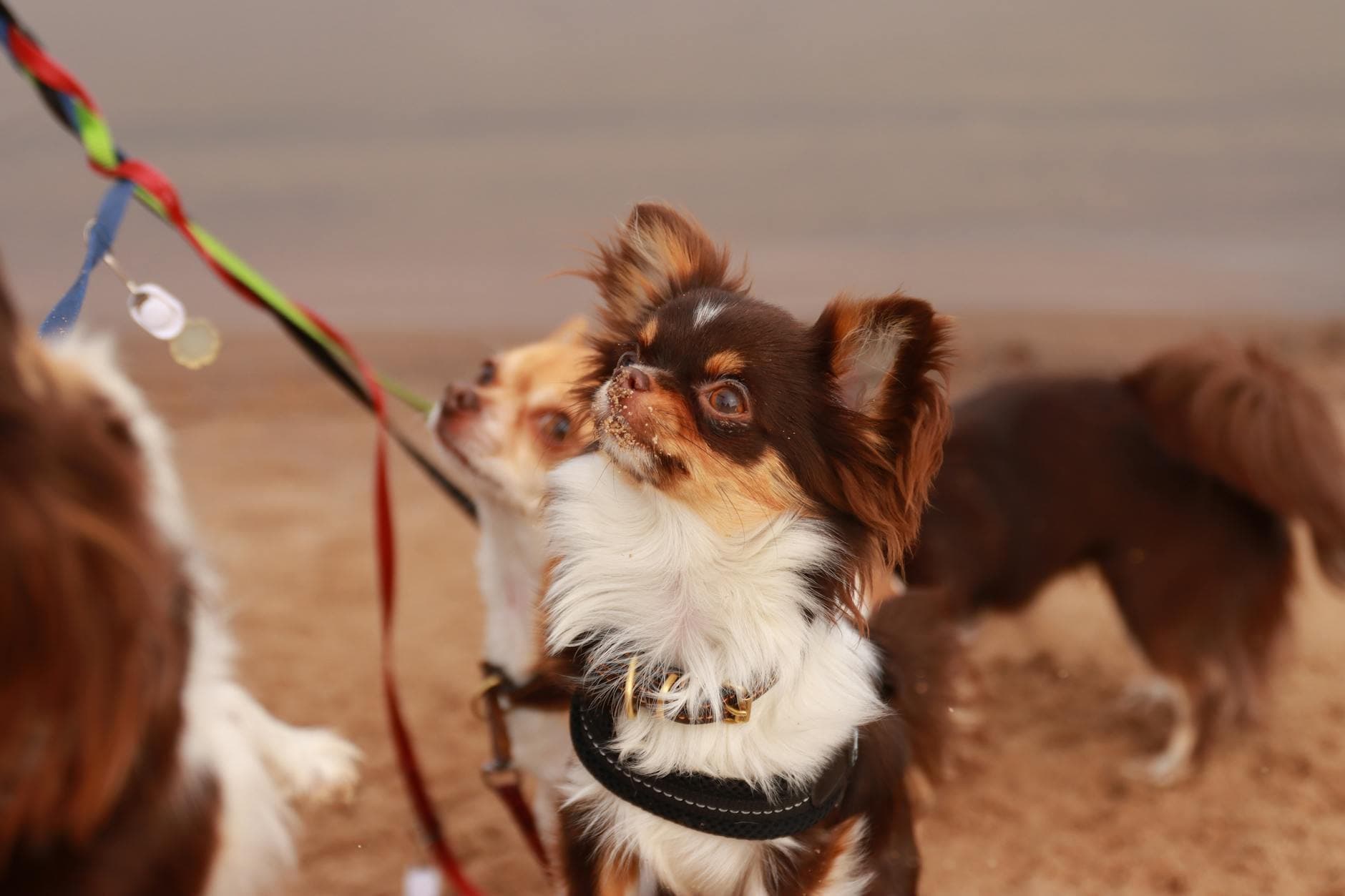
A Chihuahua

Photo by Efrem Efre on Pexels

Chihuahua: The Complete Breed Guide

The Chihuahua is the smallest recognized dog breed in the world and one of the longest-lived. Originating in Mexico, these tiny dogs pack enormous personality into a body that weighs as little as 2 pounds. They are fiercely loyal, surprisingly bold, and bond intensely to one person -- sometimes to the exclusion of everyone else in the household.

Chihuahuas come in two coat types (smooth and long), virtually every color combination, and a wide range of sizes within the breed. They are not fragile lapdogs by temperament -- they are alert, opinionated, and will try to run your house if you let them. Understanding what makes this breed tick is the difference between a wonderful companion and a tiny tyrant.

Chihuahua Quick Facts

BreedChihuahua
Other namesChi
Size5-8 inches, 2-6 lbs
Lifespan14-16 years
CoatSmooth coat (short) or long coat -- both shed
TemperamentLoyal, alert, bold, devoted to one person
ExerciseLow -- short walks and indoor play
Good with kidsNot recommended for small children
TrainabilityModerate -- intelligent but stubborn
AKC GroupToy

Is a Chihuahua Right for You?

A Chihuahua might be right if you:

  • Want a loyal, one-person companion
  • Live in an apartment or small space
  • Prefer a low-exercise breed
  • Want a long-lived dog (14-16+ years)
  • Are an adult household or have older kids
  • Like a dog with a big personality

A Chihuahua might not be right if you:

  • Have toddlers or very young children
  • Want a dog that loves everyone equally
  • Live in a very cold climate without indoor options
  • Expect easy housebreaking
  • Dislike barking -- Chihuahuas are vocal
  • Want a hiking or outdoor adventure partner

Health Watch: Dental Disease

Chihuahuas are extremely prone to dental problems. Their small jaws crowd teeth together, leading to plaque buildup, gum disease, and early tooth loss. Most Chihuahuas will need professional dental cleanings throughout their lives, and many lose teeth by middle age. Daily tooth brushing and dental chews are not optional -- they are essential for this breed.

Is your Chihuahua at a healthy weight?

Even one extra pound on a Chihuahua is significant -- it can stress joints and shorten lifespan.

Weight Calculator

Frequently Asked Questions

How long do Chihuahuas live?
Chihuahuas are one of the longest-lived dog breeds, with a typical lifespan of 14 to 16 years. Many healthy Chihuahuas live to 18 or even 20 years with proper veterinary care, dental maintenance, and a healthy weight. Their small size contributes to their longevity -- smaller breeds consistently outlive larger breeds across every study on canine lifespan.
Are Chihuahuas good with kids?
Chihuahuas are generally not recommended for families with small children. They are fragile dogs that weigh as little as 2 pounds, and a toddler can easily injure them by stepping on them, sitting on them, or squeezing too hard. Chihuahuas also tend to snap when startled or handled roughly. They can do well with older children who understand how to be gentle, but they are best suited for adult households or families with kids over age 10.
What is the difference between smooth coat and long coat Chihuahuas?
The AKC recognizes two coat varieties. Smooth coat Chihuahuas have a short, close-fitting coat that sheds moderately and requires minimal grooming. Long coat Chihuahuas have a soft, flat or slightly wavy coat with feathering on the ears, legs, and tail. Both varieties shed, but long coats actually tend to shed less visibly because the longer hair clumps rather than scattering. Temperament is the same across both coat types.
Why do Chihuahuas shake so much?
Chihuahuas shake for several reasons. The most common is cold -- their tiny bodies lose heat quickly, especially smooth coat varieties. They also shake when excited, anxious, or stressed. Chihuahuas have high metabolisms that burn through body heat fast. Shaking can also indicate low blood sugar (hypoglycemia), which is a serious concern in very small Chihuahuas under 4 pounds. If shaking is constant or accompanied by lethargy, see a vet.
Are Chihuahuas hard to potty train?
Yes, Chihuahuas are widely regarded as one of the more difficult breeds to housebreak. Their small bladders mean they need to go out more frequently, and their stubborn temperament can make them resistant to training they find inconvenient -- especially in cold or wet weather. Consistent crate training, frequent outdoor trips, and positive reinforcement work best. Many Chihuahua owners also use indoor pee pads as a backup, particularly in colder climates.