Home › Australian Shepherd
Australian Shepherd: The Complete Breed Guide
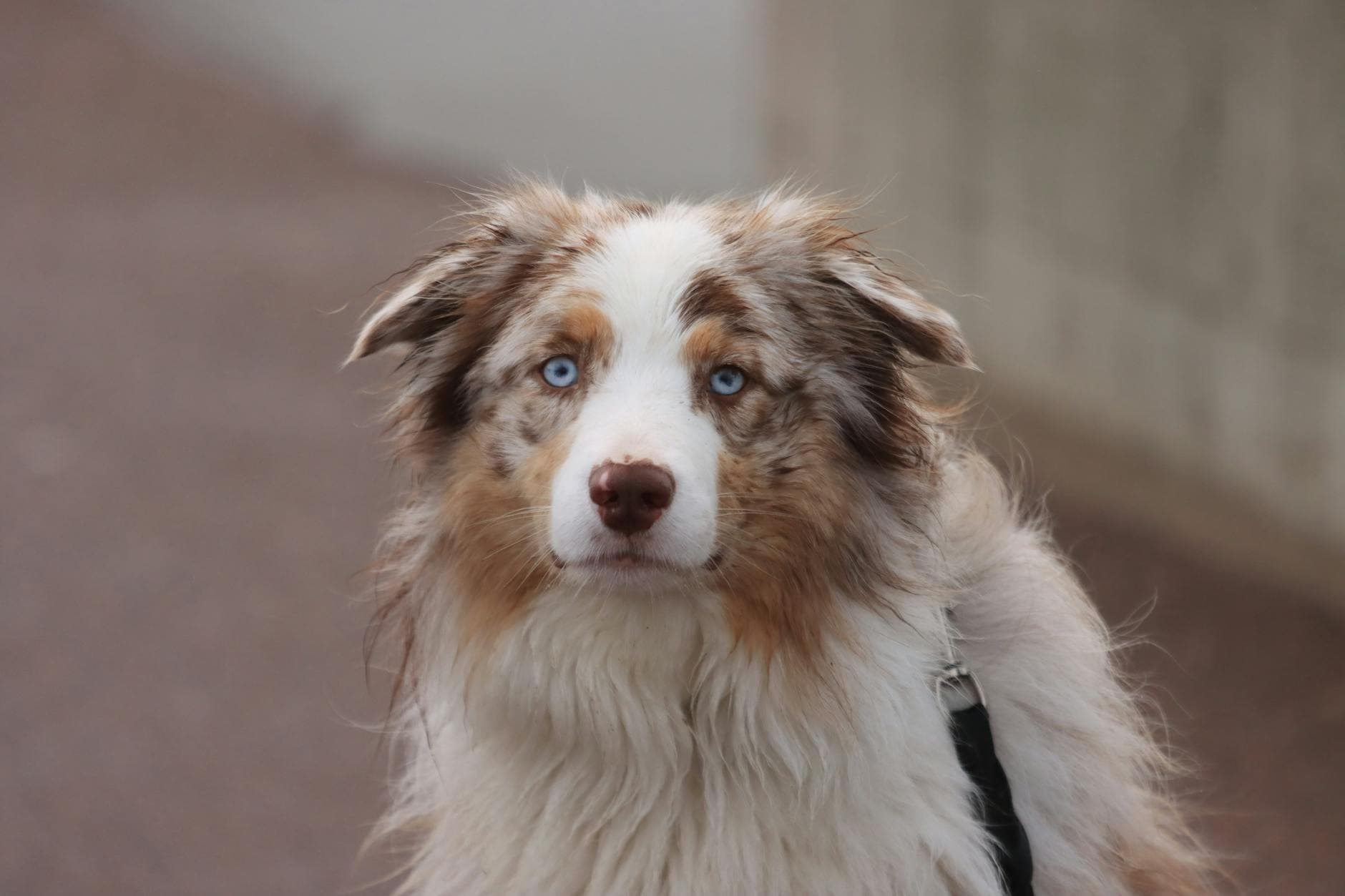
The Australian Shepherd is one of the smartest, most driven breeds on the planet -- and that is exactly what makes them wonderful and terrible in equal measure. Developed by ranchers in the American West (not Australia, despite the name), this breed was built to work livestock all day in rough terrain. They are athletic, loyal, stunningly beautiful, and absolutely relentless when they do not have a job to do.
If you want a dog that will hike with you, train with you, compete with you, and follow you from room to room -- an Aussie might be your perfect match. If you want a dog that will be happy with a 20-minute walk and some couch time, keep looking. This breed does not have an off switch.
Australian Shepherd Quick Facts
| Breed | Australian Shepherd |
| Other names | Aussie |
| Size | 18-23 inches, 40-65 lbs |
| Lifespan | 12-15 years |
| Coat | Medium-length double coat -- merle, tri-color, black, red |
| Temperament | Intelligent, energetic, loyal, work-driven |
| Exercise | Very high -- 1-2+ hours daily plus mental stimulation |
| Good with kids | Yes, with socialization -- may herd small children |
| Trainability | Exceptional -- one of the most trainable breeds |
| AKC Group | Herding |
Is an Australian Shepherd Right for You?
An Aussie might be right if you:
- Are active and enjoy hiking, running, or outdoor sports
- Want a dog that can learn complex tasks and tricks
- Have time for daily training and mental enrichment
- Want a loyal, velcro dog that bonds deeply
- Are interested in dog sports like agility or herding trials
- Can handle regular grooming and heavy seasonal shedding
An Aussie might not be right if you:
- Work long hours and the dog will be home alone
- Prefer a low-energy, easygoing companion
- Do not have time for daily vigorous exercise
- Have very young children (herding instinct can mean nipping)
- Want a dog that is friendly with every stranger
- Are not prepared for a dog that is smarter than you think
MDR1 Gene Mutation -- Test Before Medicating
Approximately 50% of Australian Shepherds carry the MDR1 mutation, which causes dangerous reactions to common medications including ivermectin and loperamide. A simple DNA test can identify carriers. Every Aussie should be tested before receiving any medication -- this is not optional, it is potentially life-saving.
Find a Australian Shepherd Breeder
Dedicated, single-breed breeders. Want to be listed here? Add your kennel.
Frequently Asked Questions
Are Australian Shepherds actually from Australia?
No. Despite the name, Australian Shepherds were developed in the western United States during the 1800s. The breed was refined by ranchers who needed versatile herding dogs for livestock work in the American West. The "Australian" part of the name likely came from the breed's association with Basque shepherds who arrived in the US via Australia, or from their work with Australian-imported sheep. The breed is thoroughly American in origin.
What is the MDR1 gene mutation in Australian Shepherds?
MDR1 (Multi-Drug Resistance 1) is a genetic mutation that affects how certain drugs are processed in the body. Roughly 50% of Australian Shepherds carry at least one copy of this mutation. Dogs with two copies (homozygous) can have severe -- even fatal -- reactions to common medications including ivermectin (a dewormer), loperamide (Imodium), and several chemotherapy drugs. Every Australian Shepherd should be DNA tested for MDR1 before receiving any medication. This is a simple cheek swab test available through Washington State University or most canine genetic testing companies.
How much exercise does an Australian Shepherd need?
Australian Shepherds need a minimum of 1-2 hours of vigorous exercise every day, but physical exercise alone is not enough. This breed was designed to work livestock all day, which means they need mental stimulation just as much as physical activity. Without a job -- whether that is herding, agility, obedience, trick training, or puzzle toys -- an Aussie will create their own job, and you will not like what they choose. Destructive behavior, excessive barking, and neurotic habits are almost always the result of an under-stimulated Aussie, not a "bad dog."
Do Australian Shepherds shed a lot?
Yes. Australian Shepherds have a thick double coat that sheds year-round, with two major blowouts per year (typically spring and fall) where the undercoat comes out in clumps. During blowout season, daily brushing is necessary. The rest of the year, brushing 2-3 times per week keeps the coat manageable. Never shave an Australian Shepherd -- the double coat insulates against both heat and cold, and shaving can permanently damage the coat texture.
Are Australian Shepherds good family dogs?
Australian Shepherds can be excellent family dogs for active families, but they are not a good fit for everyone. They bond deeply with their people, are protective without being aggressive, and are gentle with children they are raised with. However, their herding instinct means they may nip at the heels of running children, and they can be reserved or wary with strangers. They need early socialization, consistent training, and a family that genuinely enjoys being active outdoors. A sedentary household will make an Aussie miserable.